
By Goodness Akinloye
When a young person stands on a public platform with nothing but their intelligence and a ticking clock, they undergo a transformation in how they think and communicate. Long before a career is chosen or an executive title is earned, debate shapes the way a young mind operates. It develops intellectual agility, strengthens independent reasoning, and substitutes passive compliance with rigorous, independent thinking. Teaching a young person to debate helps them recognise systemic frictions, engage a complex world, and articulate structured solutions.
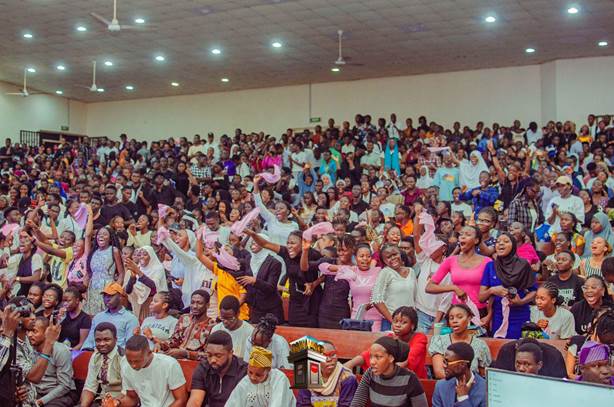
For eleven years, and now returning for its milestone twelfth edition, JawWar, organised within the University of Ibadan, has established itself as a high-stakes debating competition that showcases strong intellectual and critical thinking skills among students. Beyond crowning champions, the competition serves as a catalyst for intellectual development, helping to elevate the debating culture across higher institutions in Nigeria.

The Root of a Campus Culture
The ecosystem surrounding JawWar is central to its growth within the university and is what makes it a national phenomenon. Long before the main competition begins, a steady cycle of debating activities takes place across faculties and halls of residence. This ongoing engagement keeps students intellectually active, encourages analysis, and helps identify emerging talents. By the time the main tournament begins, participants have already been tested through several rounds of competition.
JawWar features seven competitive rounds, including Inter-Hall and Inter-Faculty debates, as well as a National Category that brings together institutions from across Nigeria with active debating communities.
High Stakes, Precision, and the Public Tongue
The format demands strong cognitive and communication skills. Adopting a fast-paced American Parliamentary debating style, speakers are given strictly timed slots of five and three minutes to present their arguments. Within these constraints, debaters are expected to address complex topics across technology, medicine, legislation, governance, justice, and broader questions of freedom in Nigeria.
Within this lies the core of the tournament: these complex global and local issues must be broken down and communicated clearly to the audience, blending structured analysis with accessible public reasoning.

A Legacy of Exceptional Minds
The long-term impact of this training extends beyond the university environment. For over a decade, competitions like JawWar have consistently served as a platform for producing strong analytical minds working across different sectors in Nigeria and beyond.
When these debaters transition into the professional world, the skills developed at the podium remain relevant. Moreover, they become investment bankers who analyse market data under pressure, corporate lawyers who identify regulatory risks, medical professionals navigating bioethics, and public administrators handling complex policy decisions.
By prioritising deep analysis, JawWar demonstrates that campus debating transcends being just another student activity; it is an important platform for intellectual development, a vital national asset helping to shape the minds that will contribute to the future of the continent.
You can reach out to the TLDS via email at uilndsociety@gmail.com or visit the Jaw War social Media handles at jawwar.ui on X and IG.
Editor’s Note: This is contributor’s piece on Jaw War.




JawWar has not been heard enough.
This is going GLOBAL 🔥