By Debbiemuse
Dear Nigeria,
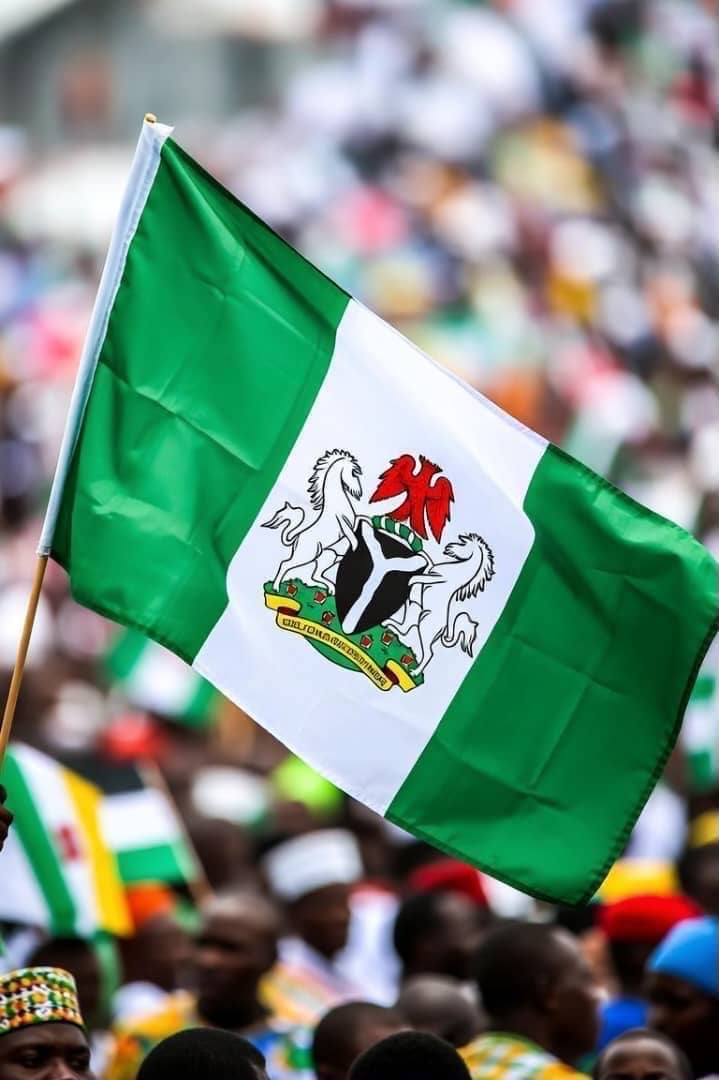
It is October 1, and everywhere I look, green and white remind me that you became independent sixty-six years ago. There will be speeches about freedom, familiar songs about patriotism and questions about whether we have lived up to independence. Beneath the celebration is a question: how do you love a country honestly when loving it can sometimes be difficult?
I have never known the Nigeria that became independent in 1960. I was born into a Nigeria that was already independent, carrying its history and trying to make sense of its future. My Nigeria was school assemblies, morning prayers and the national anthem; generators when electricity disappeared; crowded buses and “there is no light” becoming ordinary conversation. I met Nigeria not as history, but as home.
And home has never been entirely beautiful or entirely broken. It is the smell of akara in the morning and the sound of a neighbour greeting everyone on the street. It is music spilling from a passing car, children playing outside and families making room for one more person. It is the Nigerian ability to turn inconvenience into humour; we can complain about a problem and still find something ridiculous enough to laugh about. There is a warmth here that statistics cannot measure.
I see that warmth most clearly in the people. I see it in the student who wakes before sunrise, calculates transport fare, attends lectures, returns home tired and still opens a textbook at night. I see it in the young woman running a small business from her phone, the photographer looking for another opportunity, and the graduate sending another job application. Nigerians are often praised for resilience, but sometimes I wonder if we praise it too easily. Resilience is admirable, but it should not become an excuse for making people endure what they should not have to endure.
I can love the music and still be frustrated by its cost of living. I can admire young Nigerians’ creativity and still wonder why so many fight so hard for basic opportunities. I can appreciate the warmth of our communities and still worry about the things that make ordinary life unnecessarily difficult. For a student, transport fares can determine whether an outing is possible; food prices can reshape a monthly budget; electricity can determine when work gets done. These are not abstract problems when they appear in your own calculations.
Perhaps this is why I have never believed that patriotism should require pretending. If I say something is wrong, it does not automatically mean that I hate the country. Sometimes, it means I care enough to notice. You notice the crack in the wall because you live in the house. You complain about the leaking roof because you want to stay dry. There should be room to love Nigeria and still ask difficult questions about what Nigerians deserve. A country should not have to be perfect before its citizens are allowed to expect better from it.
My generation has a strange relationship with independence. We inherited the anniversary, but not the experience. October 1 is history to us. We learnt about 1960 in classrooms and grew up hearing about the Nigeria that once seemed full of promise. Our experience is shaped by different questions.
What does independence mean to a young person who is free to dream but uncertain about where that dream can take them? What does it mean when education does not always lead neatly to opportunity? What does it mean when someone loves home but considers leaving because the future may be easier elsewhere?
Sometimes people leave for the stability, opportunities or security they have struggled to find at home. Yet leaving does not always sever belonging. There is an ache in hearing your language, eating familiar food or hearing a song from home when you are far away. You may leave the country, but the country does not necessarily leave you; home can become something you carry.
I want Nigeria to become a place that young people do not have to escape before they can thrive. I want ambition to feel possible here. I want young people to imagine a meaningful future without first calculating the cost of leaving. I want education to open doors, work to provide dignity and necessities to feel like things people can reasonably expect rather than privileges they must constantly negotiate for. These are ordinary expectations.
Despite everything, I cannot look at Nigeria and see only what is wrong. There are writers creating worlds with words, musicians turning experiences into sound, entrepreneurs building businesses with limited resources and young people inventing possibilities where none seem obvious. Teachers continue teaching, parents continue providing, friends continue showing up, and communities continue caring for one another. The country survives because ordinary people keep choosing to contribute to the lives around them.
So, Nigeria, I will not give you an empty birthday message today. I will celebrate what is beautiful about you while remembering what still needs attention. I will hold the contradictions together: the frustration and the affection, the disappointment and the hope, the desire to leave and the desire to see home become better. Perhaps that is a more honest kind of patriotism.
Dear Nigeria, I am still learning how to love you. I am learning that love does not always look like applause; sometimes it looks like questions, disappointment and hope. I did not inherit your independence as an experience, but I have inherited a responsibility for what your future means to me. I may not know what you will look like when I am forty, but I want to look back and know that we did not merely inherit a country; we helped shape one.
Happy Independence Day, Nigeria. I am still here, still learning, still questioning, still hoping. And somehow, despite everything, I am still learning how to love you.