By Oluwaferanmi Akinbobola
The Basel Convention Coordinating Centre for the African Region (BCCC-Africa) on Thursday, 18th June 2026, held the closing workshop for its project titled “Accelerating Community Awareness on Plastic Waste Through Interventions with Students and Graduates of Tertiary Institutions in Ibadan, Nigeria” at the International Conference Centre, University of Ibadan.
The workshop brought together stakeholders from government agencies, tertiary institutions, environmental organisations, and trained participants to review the achievements and impact of the project aimed at tackling plastic pollution through awareness creation and youth engagement.
Speaking during the opening session, the Executive Director of BCCC-Africa, Prof. Adie, provided participants with an overview of the organisation’s activities and its commitment to promoting environmentally sound waste management across Africa. He emphasised the need for collaborative efforts in addressing environmental challenges, particularly plastic pollution.
Prof. Onianwa gave an overview of the project, explaining that it aimed to increase public awareness of plastic waste management by training final-year students and National Youth Service Corps (NYSC) members. According to him, the project adopted a Training of Trainers (ToT) approach to equip participants with the knowledge and skills required to educate others within their communities.
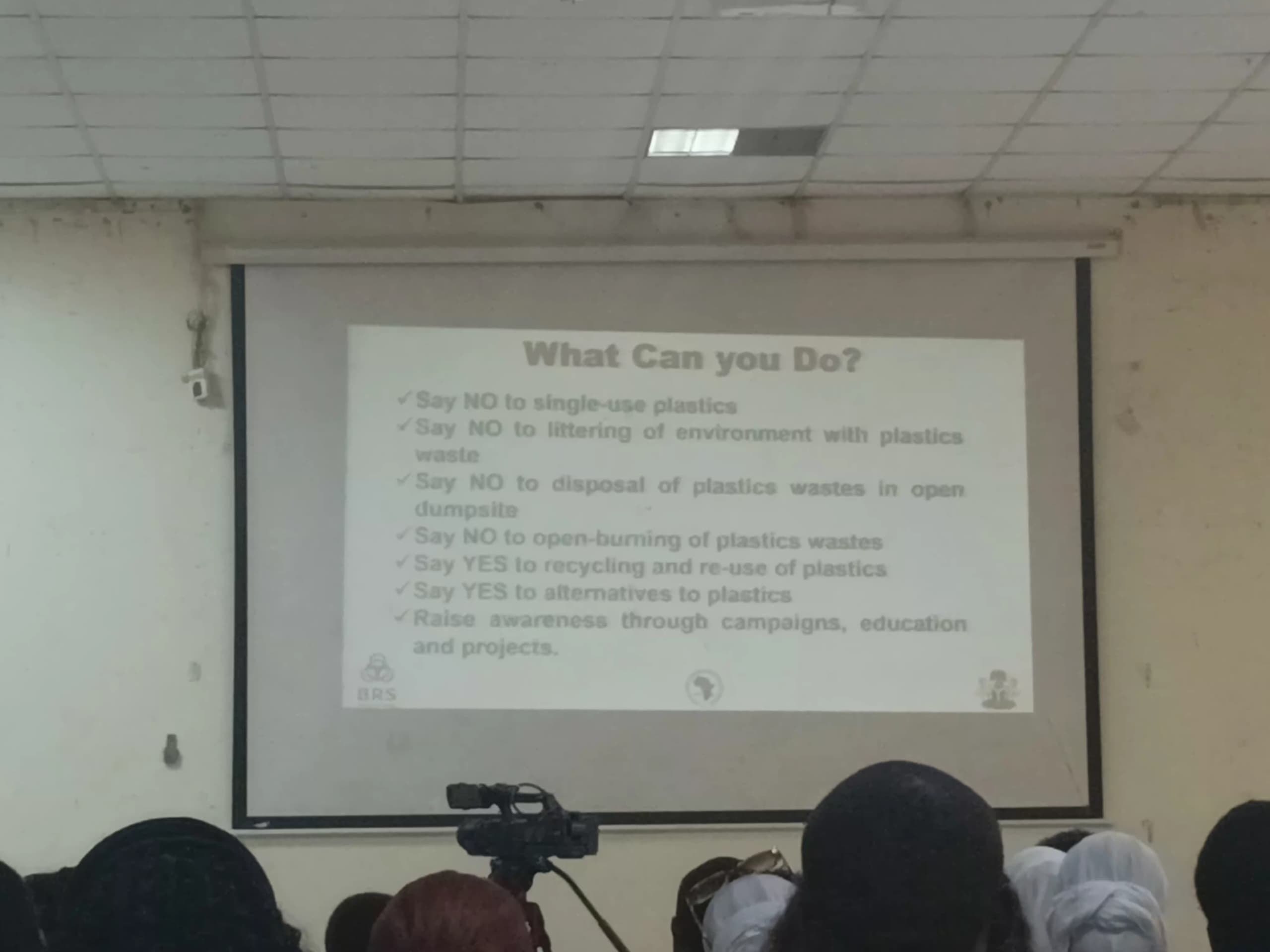
During a presentation on awareness-raising communication techniques, Dr. Idika encouraged participants to become active advocates for environmental sustainability. She urged them to educate market women, school children, and members of their communities on proper waste disposal and recycling practices.
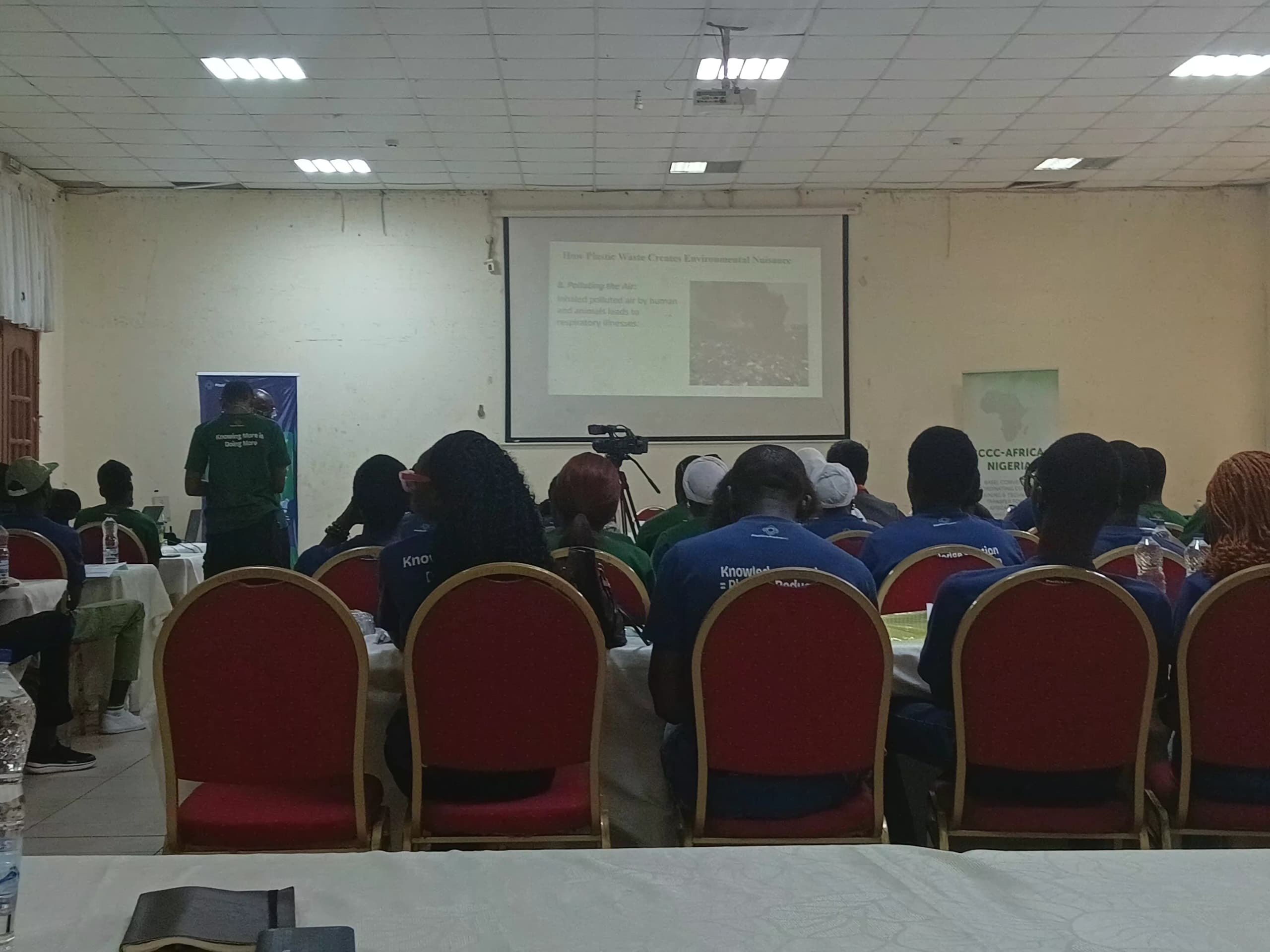
“It is our collective responsibility to tackle plastic problems,” she stated, while emphasising the importance of community participation in reducing environmental pollution caused by plastic waste.
Statistics presented during the workshop revealed that the project had achieved significant milestones. Organisers disclosed that a total of 9 workshops were successfully conducted across participating institutions. BCCC hosted three workshops for University of Ibadan students on 20th September, 2025, October 4 and 14, 2025. The sessions continued for NYSC members on 25th September, 2025, October 16 and 23 2025. While that of Students from the Polytechnic Ibadan took place on January 17 and 24, and February 7, 2026. The project also featured a 30-day Digital Plastic Awareness Challenge aimed at expanding public engagement through online platforms.
According to the statistics, the project trained 1,346 participants, exceeding the initial target. Female participants accounted for 67% of attendees, while male participants made up 33%.
The distribution of participants shows that 518 individuals were trained from University of Ibadan, 319 NYSC Scheme and 509 from the Polytechnic, Ibadan.
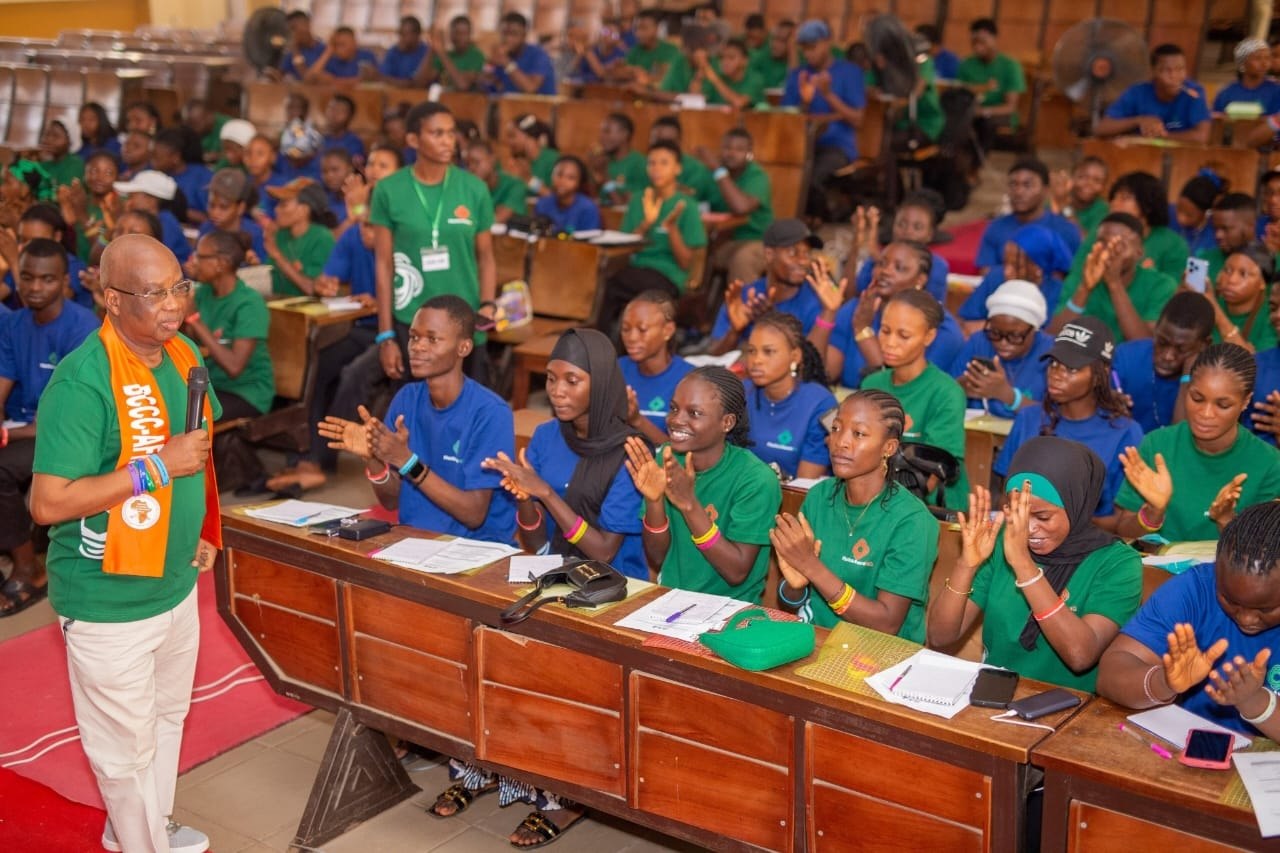
Further analysis revealed that science students constituted 62% of participants at the University of Ibadan, while non-science students accounted for 38%. At the NYSC camp, science participants represented 47%, compared to 53% non-science participants. Similarly, at The Polytechnic, Ibadan, science students made up 45% of trainees, while non-science students represented 55%.
One of the highlights of the event featured participants performing a short playlet to demonstrate the importance of proper plastic waste management. The performance illustrated the environmental consequences of indiscriminate plastic disposal and promoted responsible waste management practices such as recycling and waste segregation.
The workshop concluded with discussions on the project’s impact, presentation of future action plans, and a renewed commitment by participants to continue promoting environmental awareness within their respective communities.
Organisers expressed optimism that the network of trained environmental ambassadors created through the project would sustain awareness campaigns and contribute to long-term solutions to plastic pollution in Nigeria.