
By Oluwapamilerin Micheal
There is something rather strange about playing football in a place where football is loved so much, yet finding a decent place to play can become a problem.
At the University of Ibadan, it is not difficult to find students who play football. On any given evening, there are students at one pitch or another, training after lectures, preparing for a hall competition, faculty tournament, or simply playing because football is what they have always known. The same is true of basketball, tennis, handball, and the other sports that make up university life.
What is more difficult to find is a sporting facility that tells the same story about the university’s commitment to these students.
The Football Situation
Walk around some of the sporting spaces on campus, and the contradiction becomes difficult to ignore. There are facilities, but some are in poor condition; there are pitches, but access to them is not always convenient; there are spaces meant for particular sports that have gradually lost their purpose.
The latest example is the mini football pitch sponsored by Renaissance.
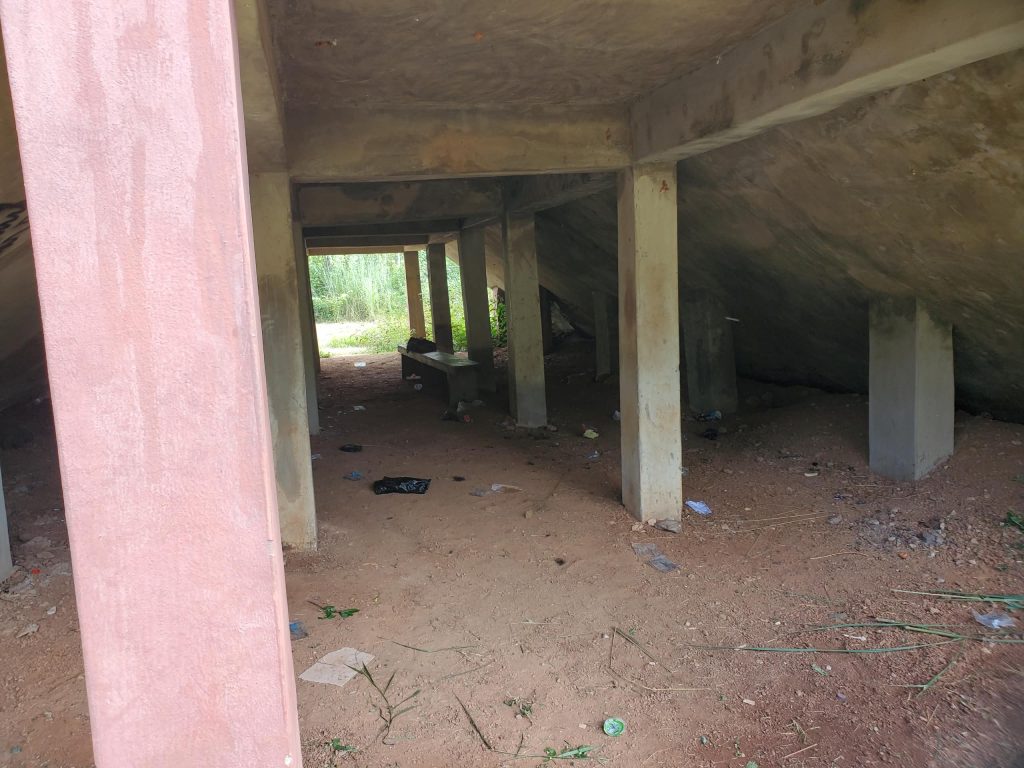
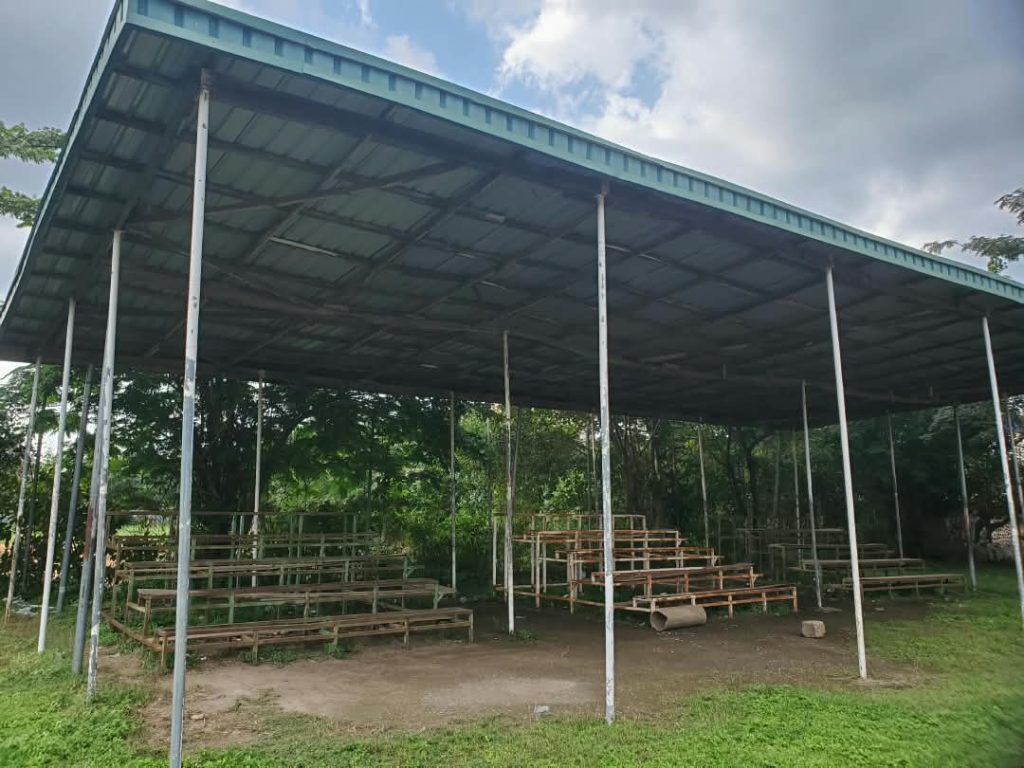
It was a welcome addition when it came. For students who have spent years making do with whatever football spaces were available, another pitch should ordinarily have been good news. But a few months ago, part of the roof collapsed. Since then, the facility has remained in that state, waiting for repairs.
It is difficult not to wonder how something that was only recently introduced as an improvement could so quickly become another facility students have to work around.
But the Renaissance pitch is, in fact, not the beginning of the story.
For footballers, there are already two major points of reference: the Old SUB pitch and the Awo Stadium.
SUB pitch
The Old SUB pitch remains one of the places students know best. Its location makes it convenient, particularly for students who live and have most of their activities around the main campus. It is where players train, where matches are organised, and where students gather to play football.
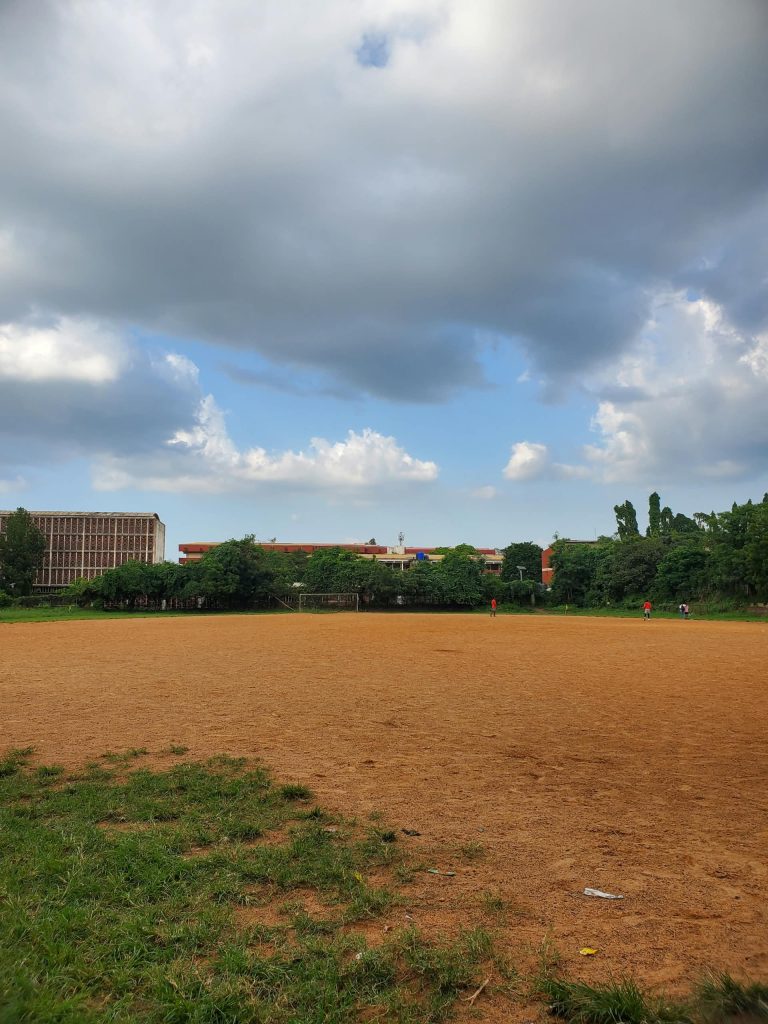
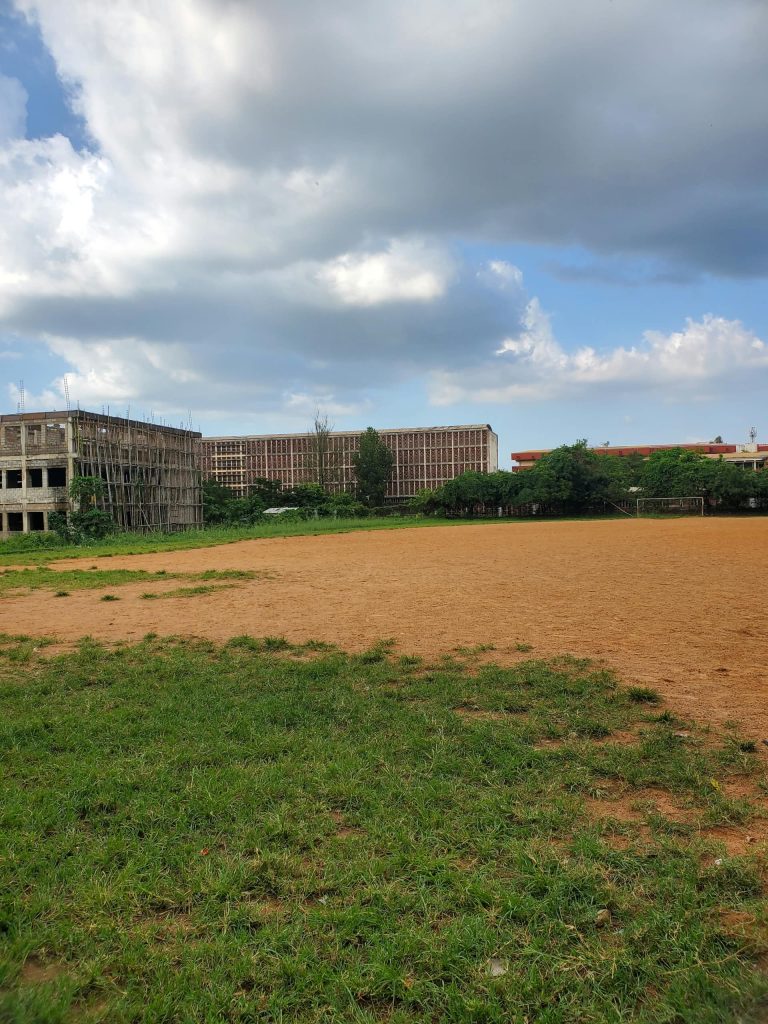
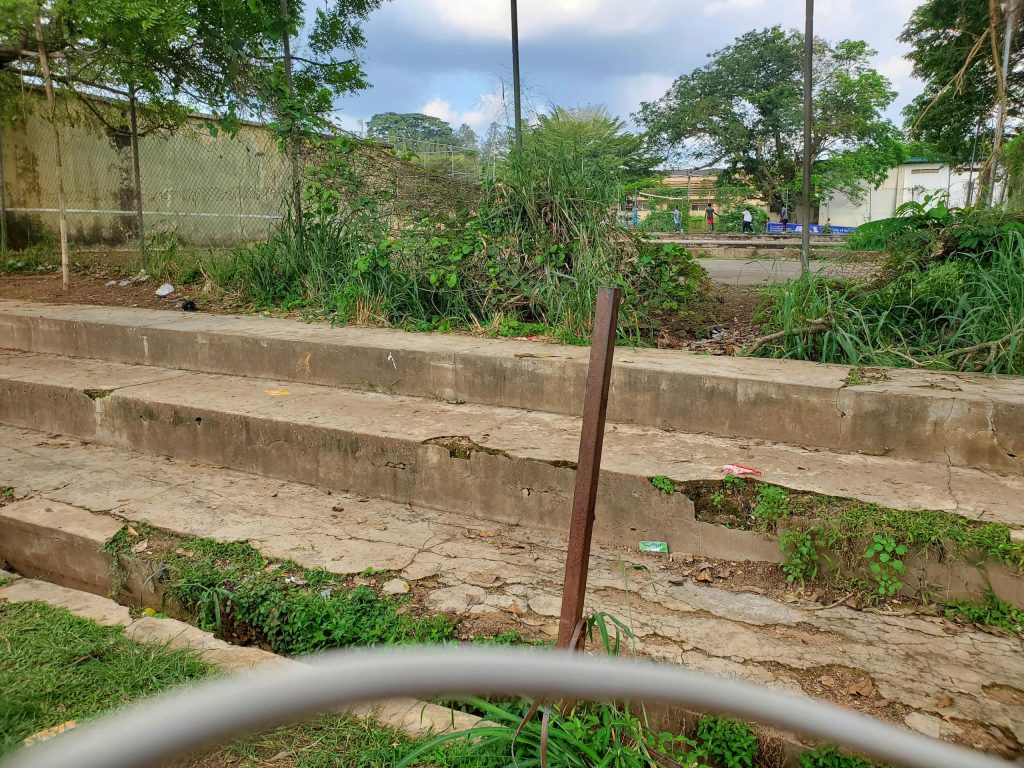
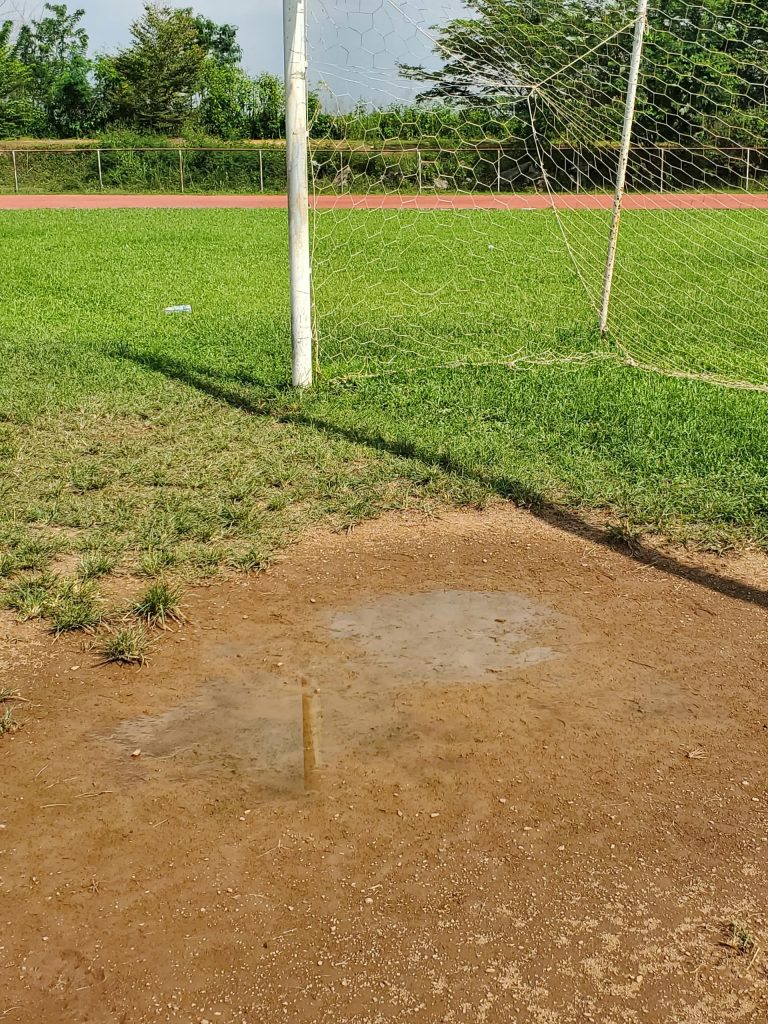
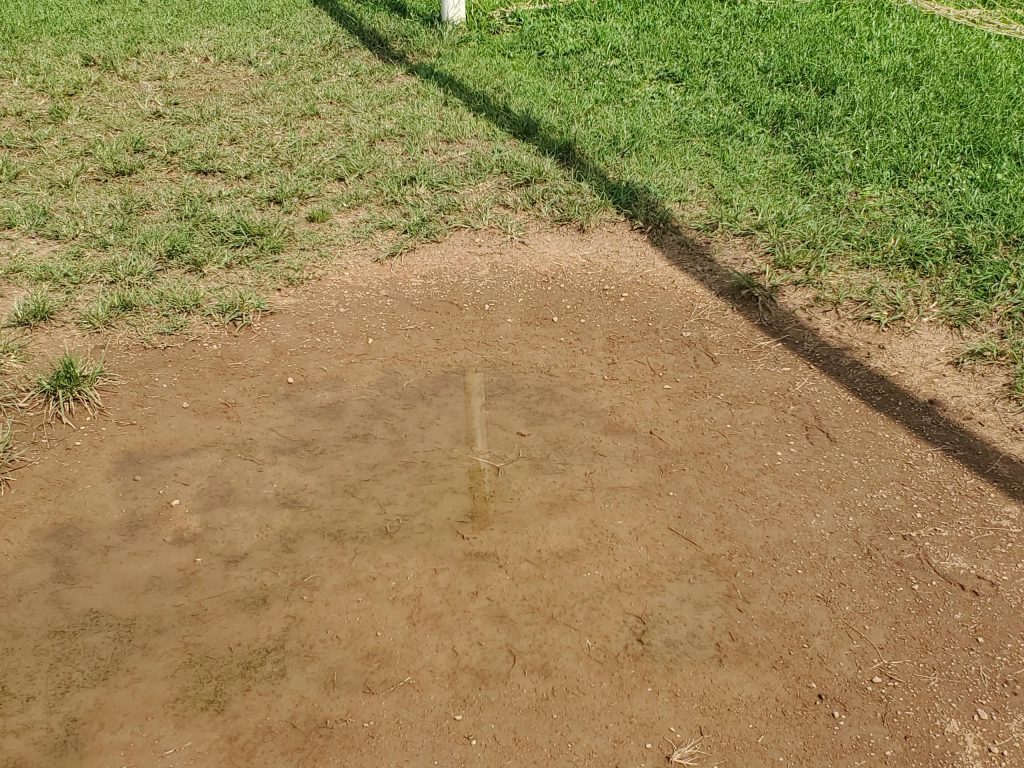
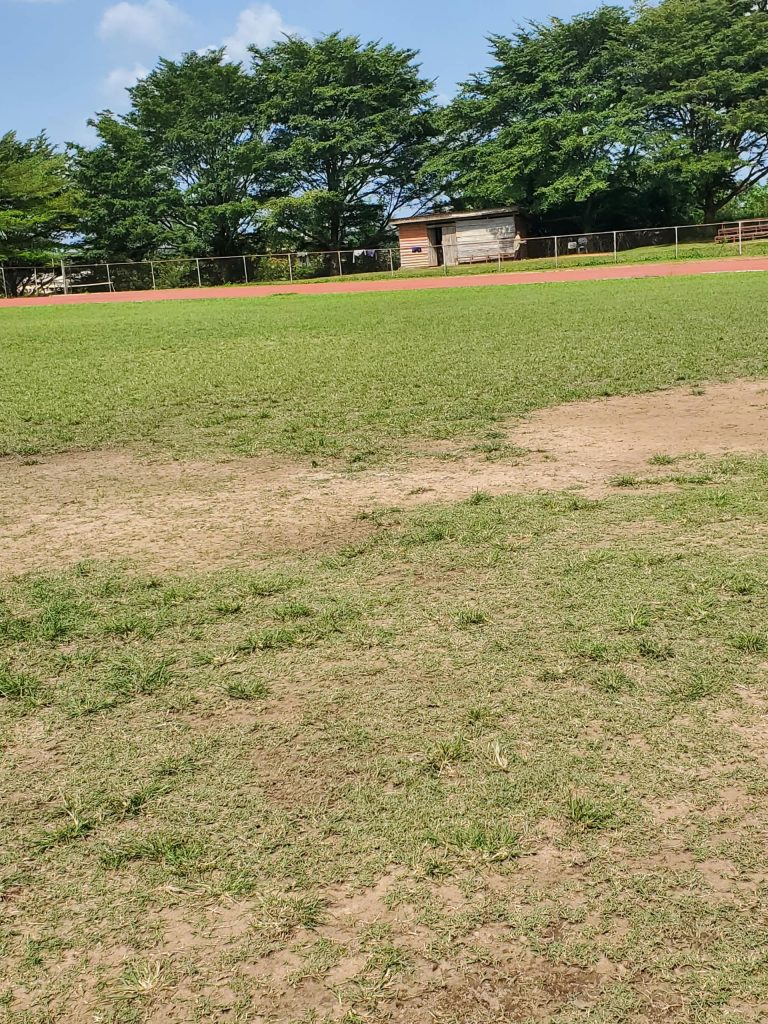
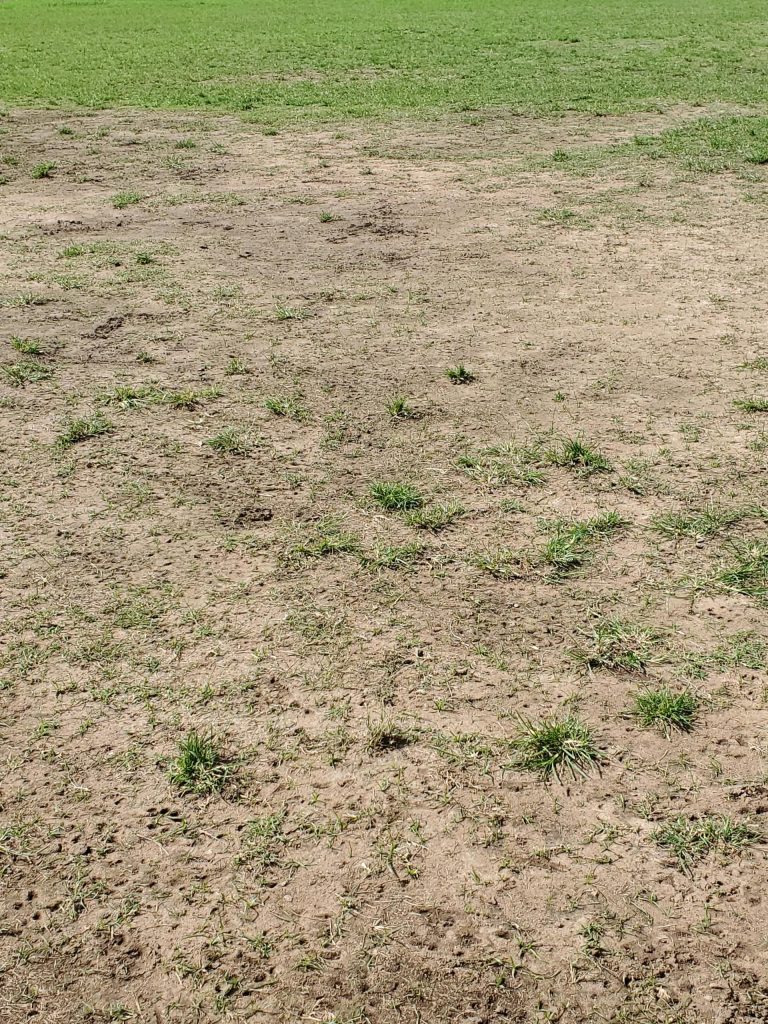
Despite the convenience and accessibility of the field, which is now being stripped away, the facility is still in use because of its location and nothing more. Playing football on the field for football players has been nothing but outright rigour. A larger percentage of the field is not covered by grass. This alone poses a significant risk to players, either from bruises acquired while playing or inhalation of dust from the dry ground.
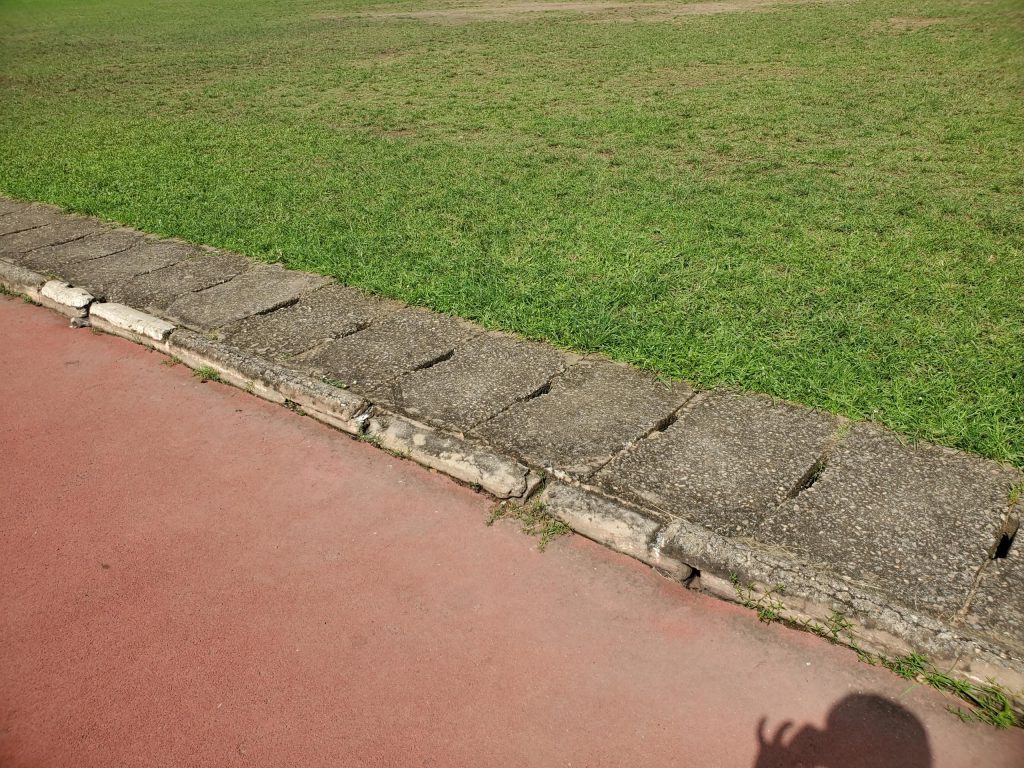
On rainy days, the field holds water, and some parts of the field become slippery and muddy. For the fans of the sport, it is a similar story. Spectators have to either stand in the sun or rain, or sit on the pavement-like stands created by the university, also in the sun. Yet, this facility remains the major football field at the University of Ibadan.
Ayoola Yusuf Olatunji, popularly known as Ozil, a veteran of the Old SUB pitch, has experienced the facility’s limitations firsthand.
According to him, the pitch is sandy, with some parts covered by grass. However, the grass is not cut regularly, making it difficult for players to play properly. The condition of the playing surface, he said, adds to the difficulties athletes already face when using the facility.
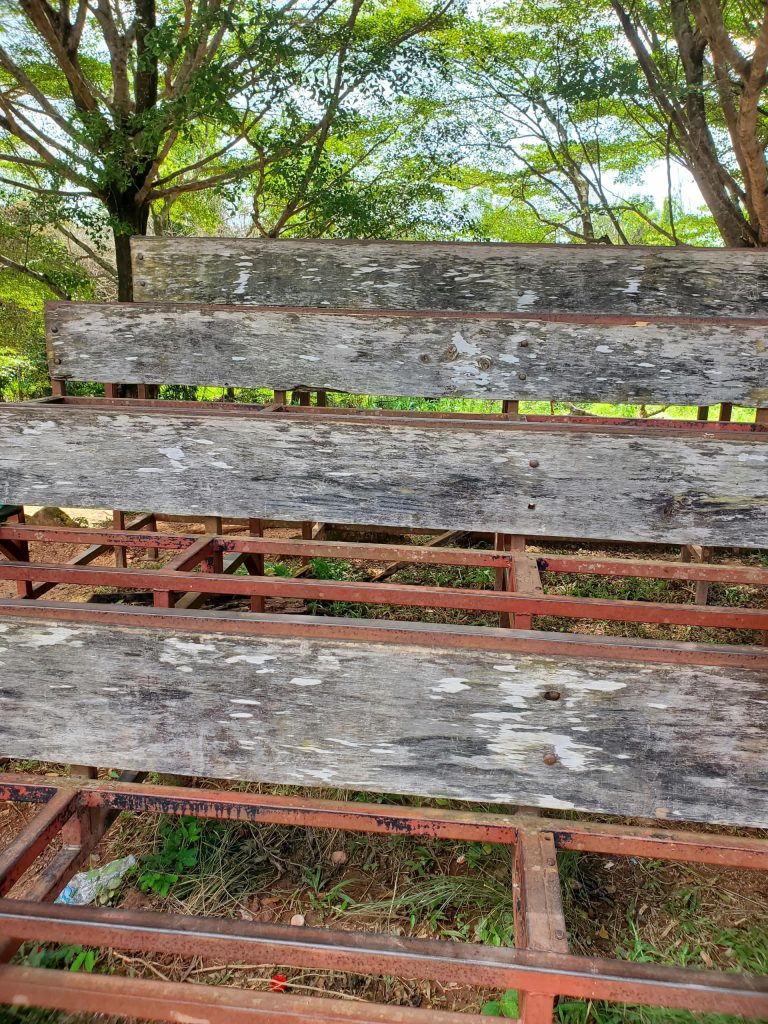
Ozil also noted that there are not enough seats or sheds to adequately accommodate supporters, leaving many fans without proper seating or shelter while watching games.
Awo Stadium
But the problems are not limited to the condition of the field. The alternative, Awo Stadium, presents a different challenge: accessibility.
On paper, having a stadium of its size should be an advantage. In practice, its distance from the main part of the campus makes regular access less straightforward for many students. For an athlete who has lectures, assignments, and other responsibilities during the day, getting to a facility far away from the centre of campus can make training more difficult than it needs to be.
Ozil believes this distance, coupled with restrictions on student access, has prevented the stadium from being used to its full potential.
“The stadium is not used to its full potential because people hardly play football there. It is partially restricted to students, and it’s too far for use,” he said.
His observation highlights one of the central problems surrounding the university’s football facilities: having a stadium does not necessarily mean students can easily use it.
But even the new stadium has its own flaws. The stands are made of wood, making them easy to be affected by raindrops from the leaking roof.
The Cricket situation
Then there is the supposed cricket pitch.
This is perhaps one of the more curious situations on campus. For a very long time, students have not seen cricket being played on the space commonly referred to as the cricket pitch. Many students do not even know it by that name.
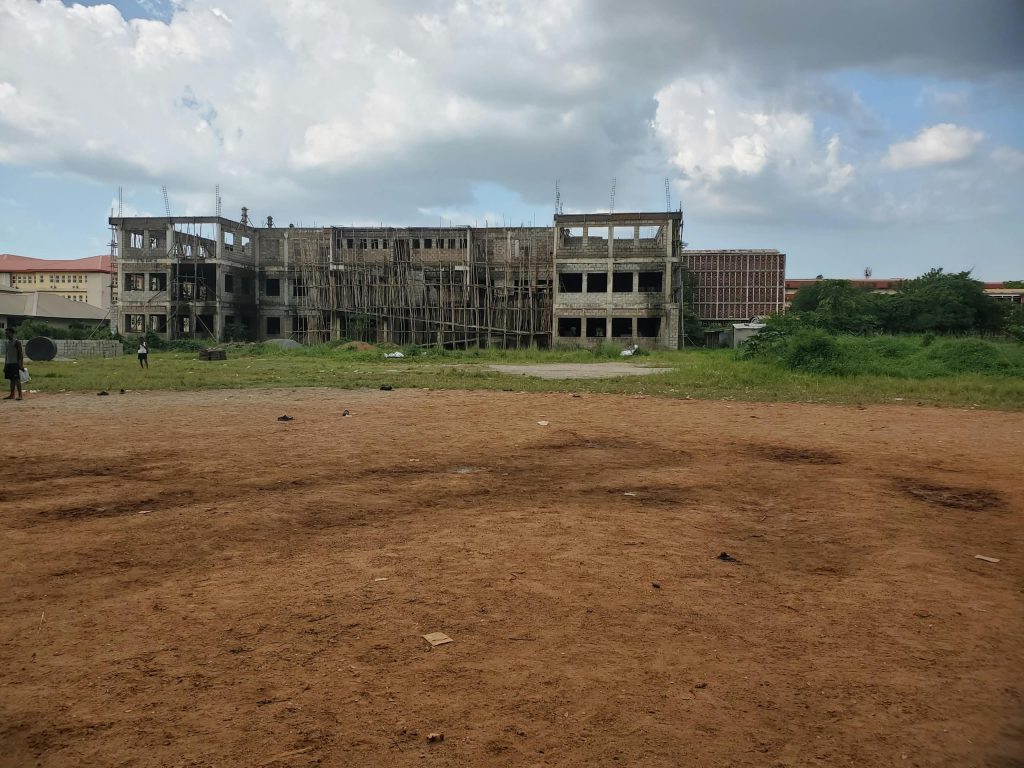
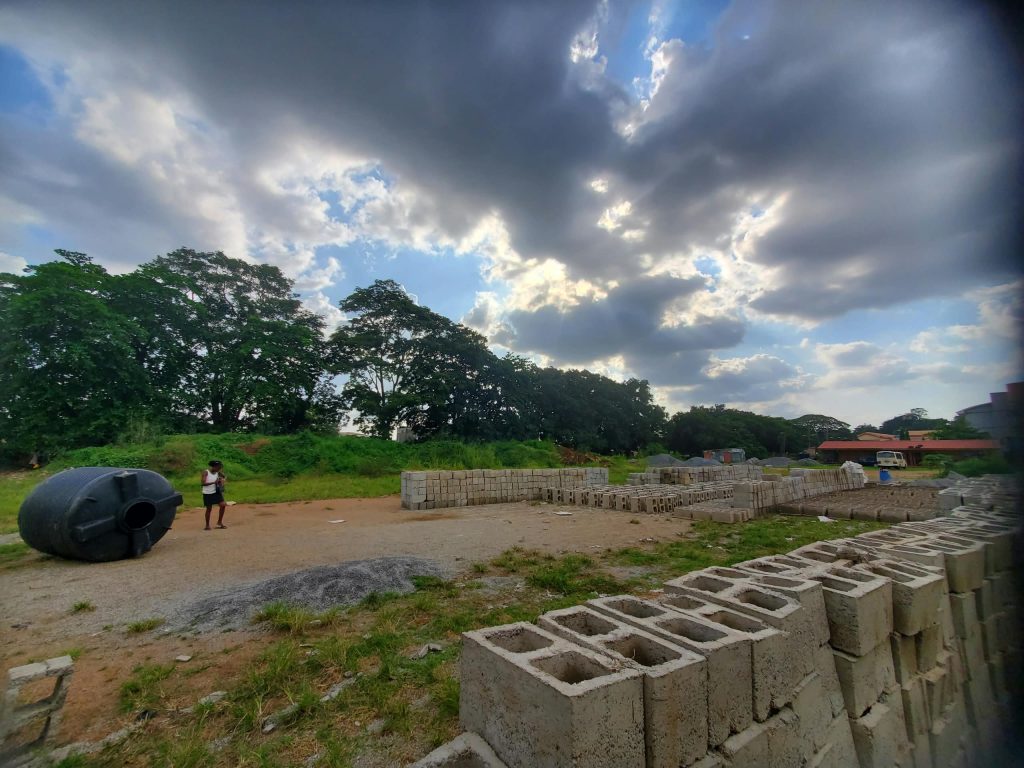
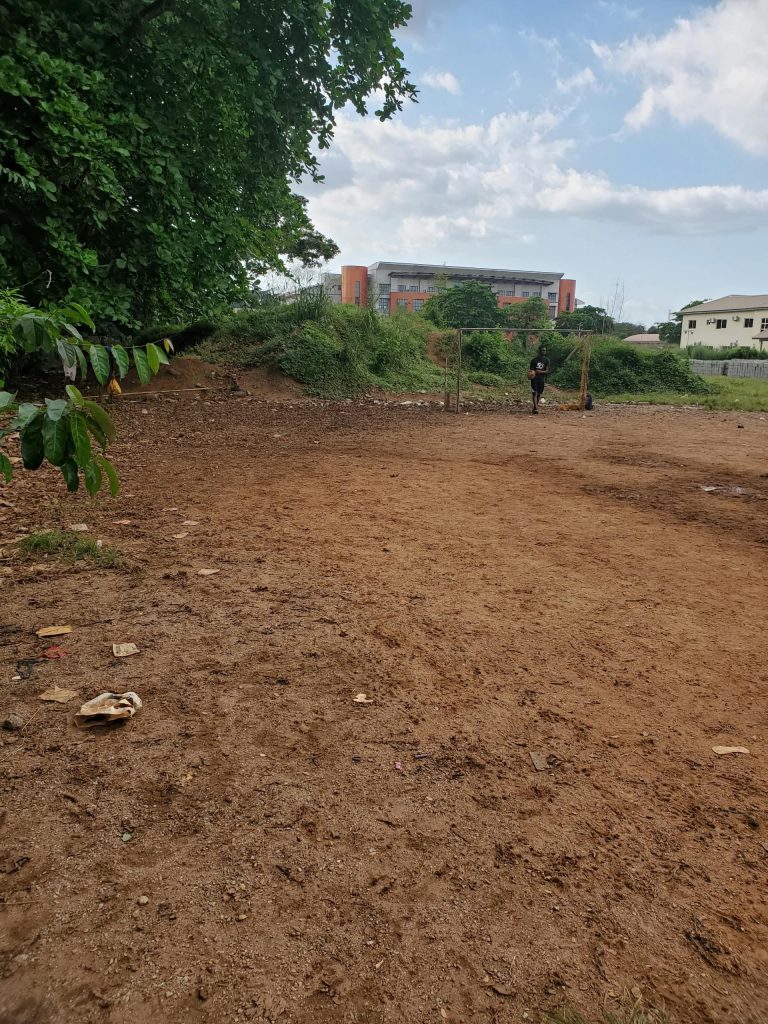
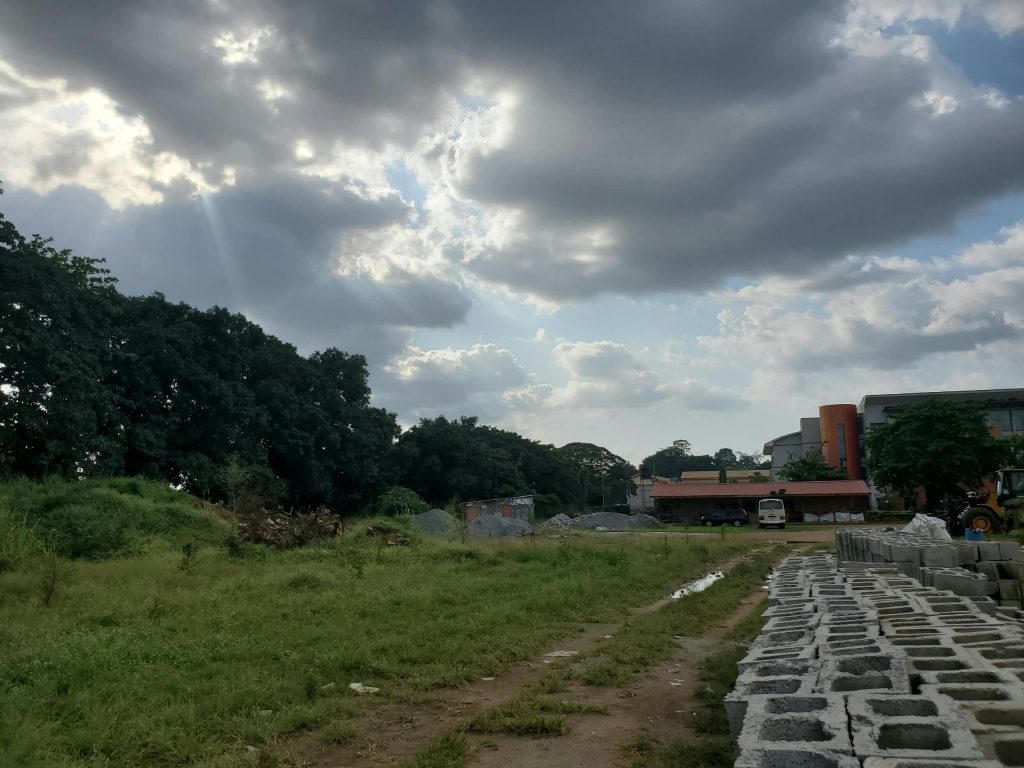
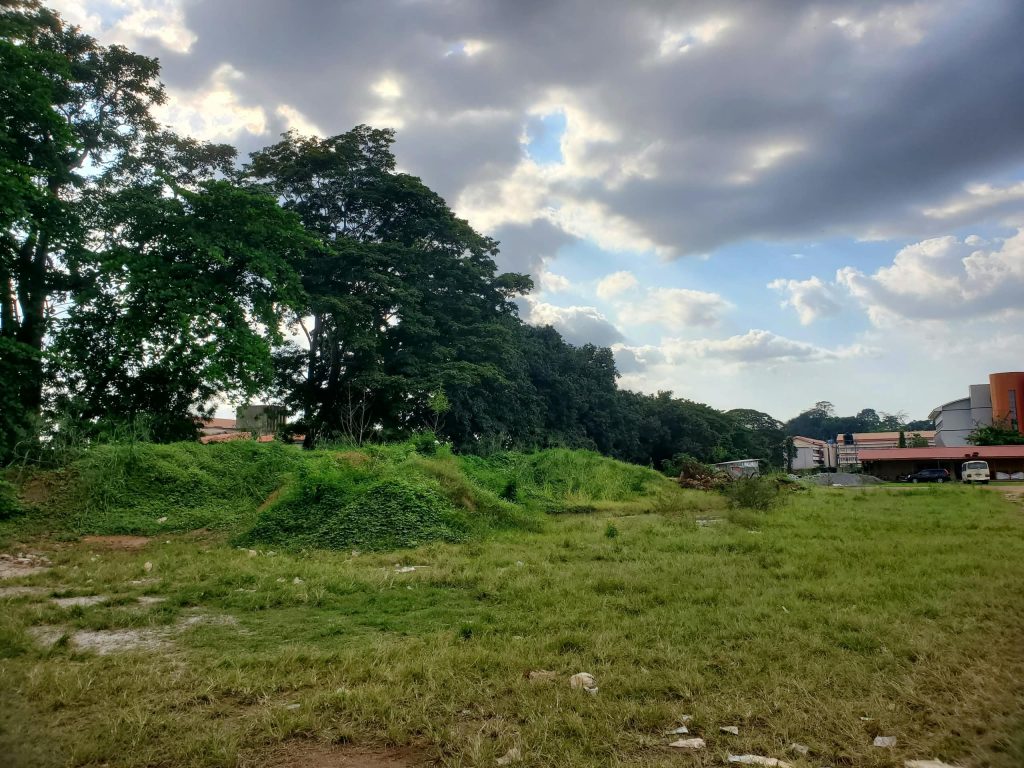
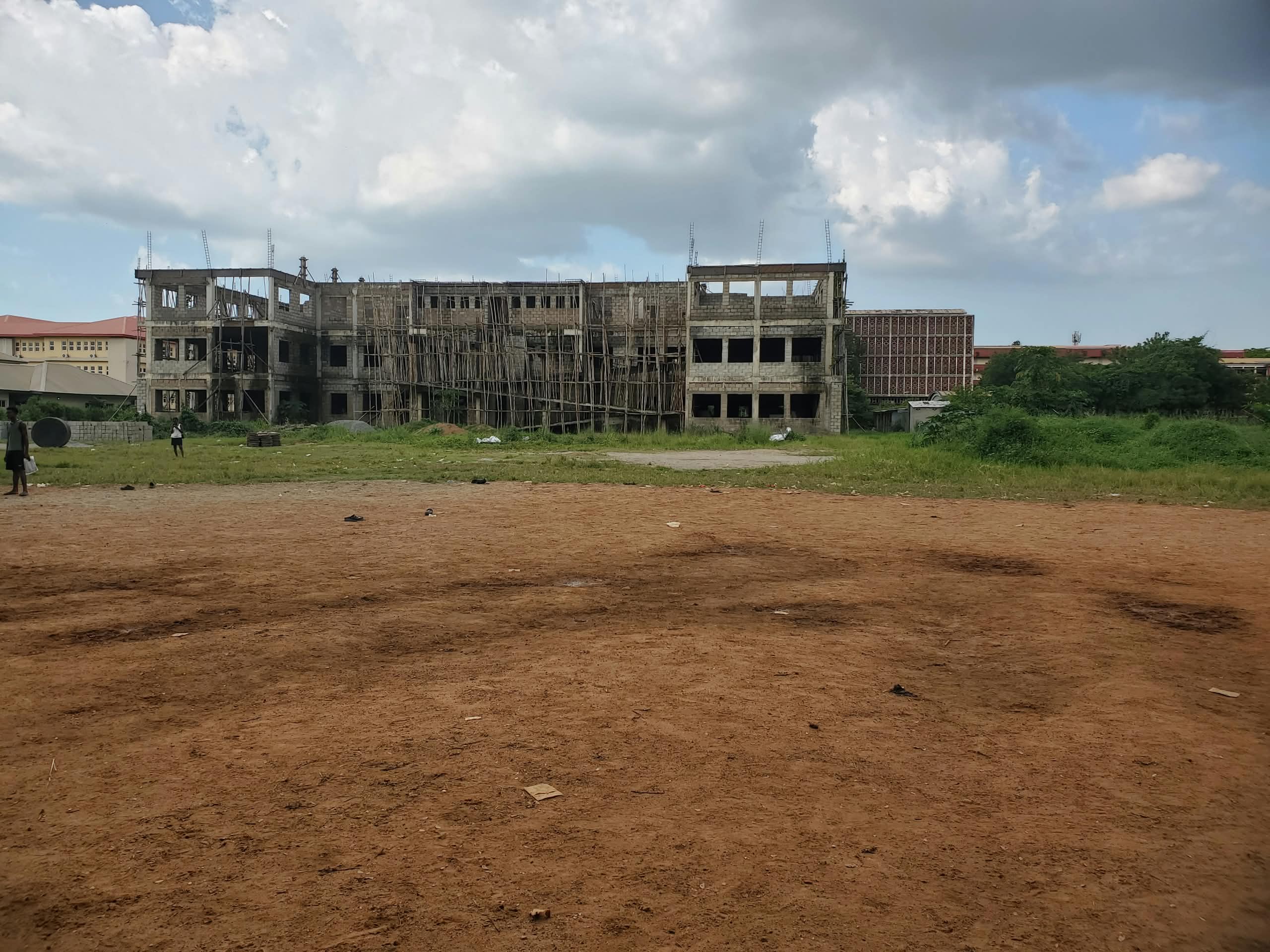
The area has largely served as a training space for footballers, while sand and construction equipment have also occupied parts of it in connection with the ongoing construction of the Kenneth Dike Library.
But speaking with a cricket player revealed that the situation is slightly different from what it appears to be.
Emmanuel Ifeoluwa Joshua, a cricket player, said the cricket team does not have a dedicated field for the sport. Instead, they use the main football pitch, where they create a makeshift cricket pitch whenever they need to play.
Creating the makeshift pitch, however, comes with its own difficulties. He pointed to the hardness of the ground when preparing the wicket and the lack of proper measuring equipment as some of the problems they encounter.
The construction materials in the area commonly regarded as the cricket pitch have therefore not directly affected their activities, since the team already relies on the main football pitch for cricket.
No Cricket pitch
Interestingly, Joshua also said he had never heard that the smaller SUB pitch, where footballers train, was originally created for cricket.
The situation raises a simple question that is bigger than cricket: what happens to a sporting facility when athletes do not even have a dedicated space for the sport in the first place?
For cricket players, the problem is not simply that an existing cricket facility has been taken over by construction. It is that they have had to improvise, creating a playing area on a football pitch whenever they need one.
And that brings the issue back to the larger question of sporting facilities at the university. A facility can exist on paper, but that does not necessarily mean the athletes it was intended for have a functional space to use.
The Basketball Situation
Another sport suffering from the same issue is Basketball.
Basketball players know what the court looked like before it was painted, and while the intervention improved the playing surface, questions remain about the extent of the work done and the condition of the other parts of the facility.
Mosepofoluwa Adedeji, a basketball player, said the condition of the court before the renovation was “pretty much the same” as it is now. According to him, the major difference was the painting of the playing surface, which improved the friction on the court and reduced the likelihood of players slipping and falling.
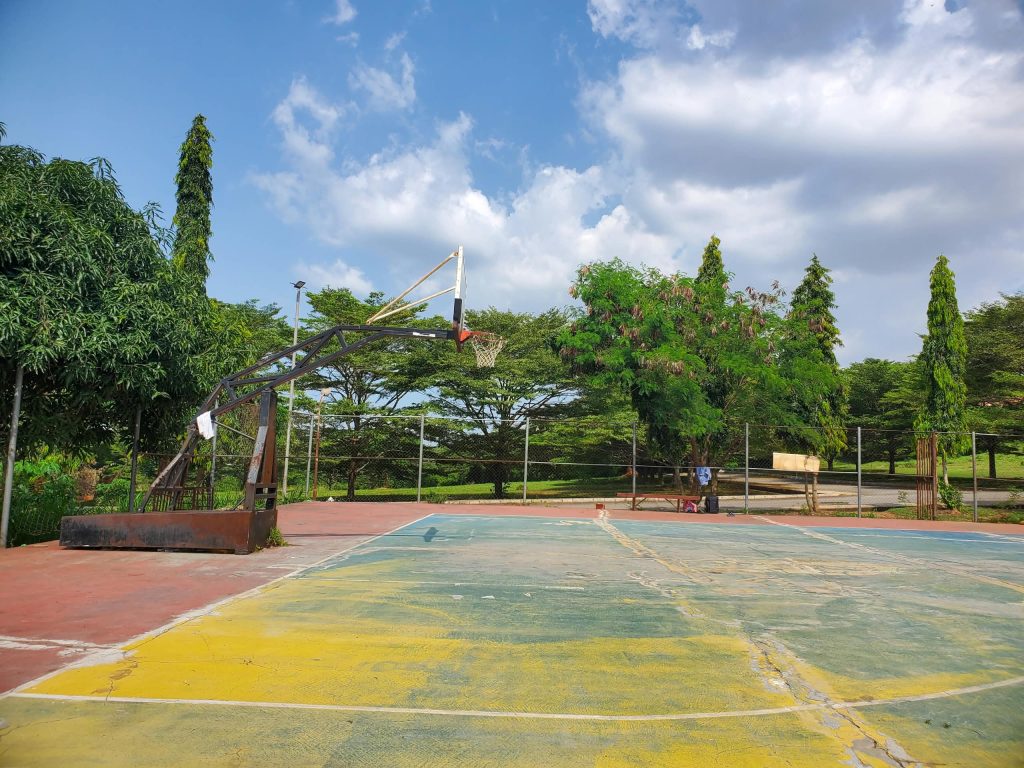
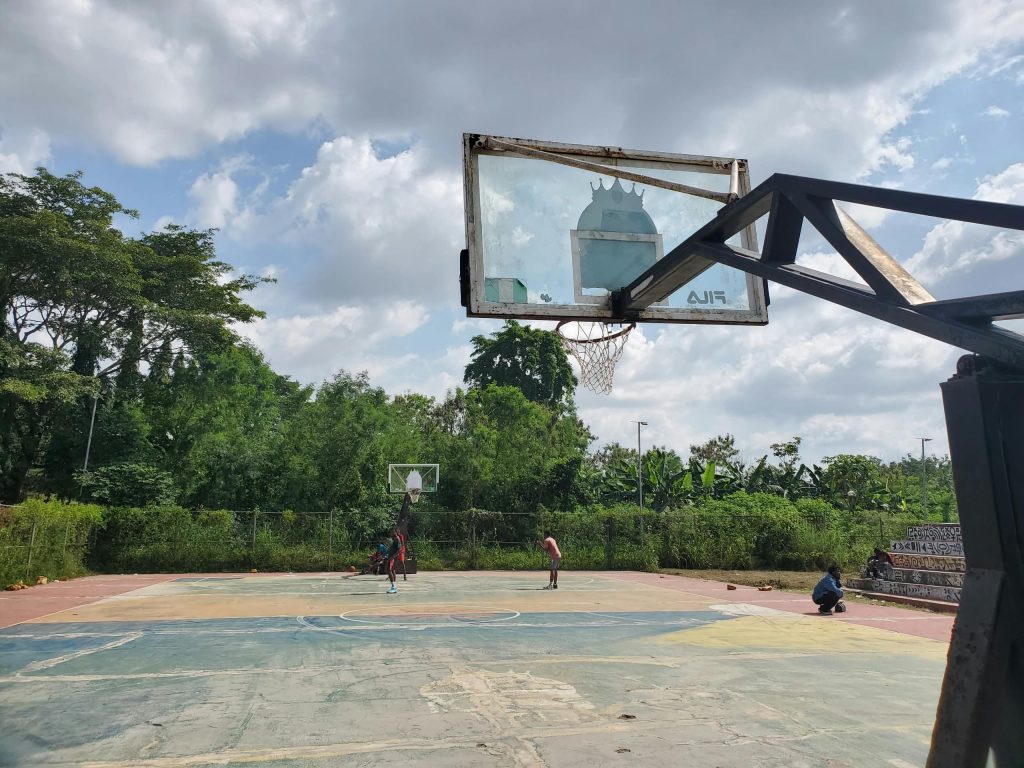
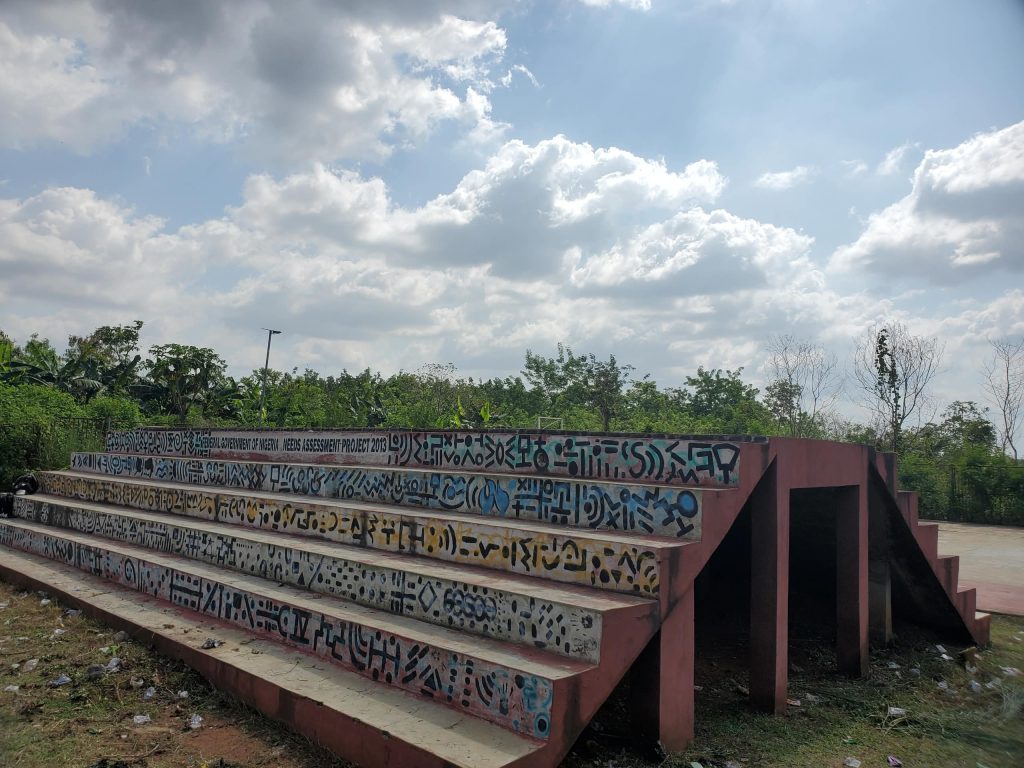
“The only difference after the paint was added was friction on the ground. Allowing fewer people to slide and fall.”
He explained that basketball shoes are expected to provide “grip”, which allows players to maintain proper balance on the court. Before the renovation, however, players with shoes that provided less grip were more likely to trip because of the reduced friction on the ground.
“You see, there’s something we call ‘grip’ that our basketball shoes should have. This grip allows for proper balance… Once your shoe has a good grip, you should be less worried about falling.”
“But before the renovation (painting the floor), you’d see players with not so great shoe grip, tripping… Because there was less friction on the ground. The paint, of course, was the next best solution.”
Adedeji also clarified that the painting came through the university system, with a coach involved in its implementation.
“I believe it did come from the university; Coachie was the one who implemented it, and he’s part of the university system, so yea.”
Work still to be done
However, he believes the work is incomplete. The other full court, he said, still needs attention because the previous painting did not extend to that section.
“I believe the other full court needs attention. The painting that was done last time didn’t extend to the other full court.”
He added that the abandoned section has affected G-League players, who previously used it for training before the National Basketball Championship. According to him, the rim was removed and transported to another location for the competition but has still not been returned.
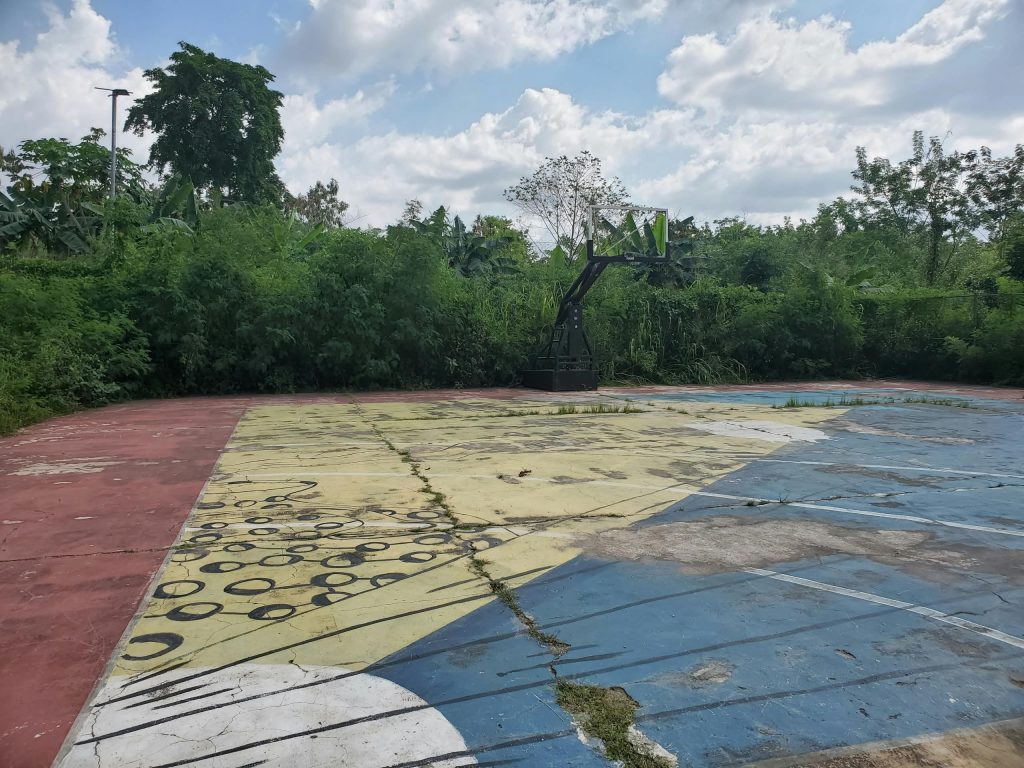
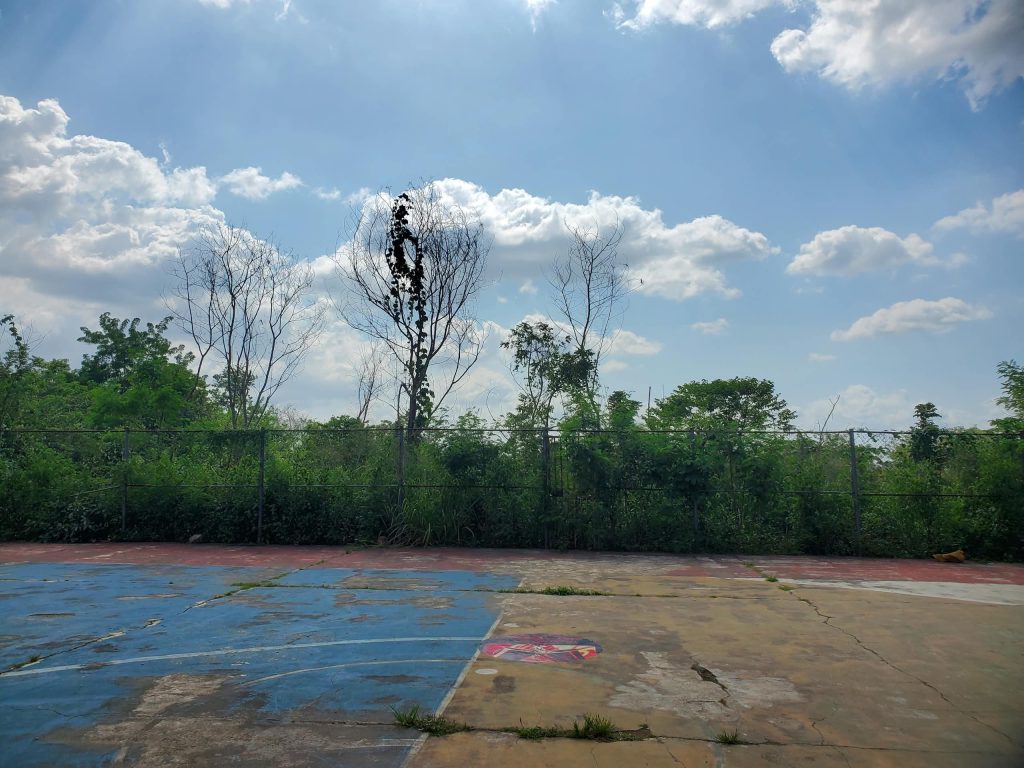
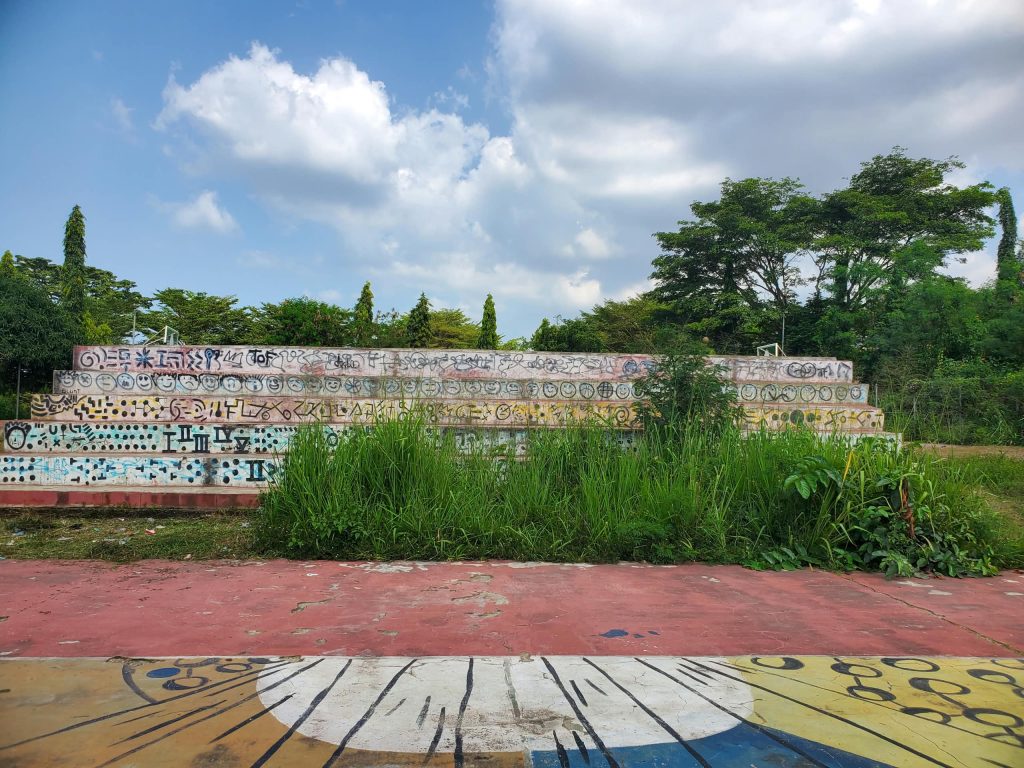
“That part of the Awo court has been abandoned. And it affects G-League players. Cause that’s where they used to train, prior to the National basketball competition that made them remove the rim to transport it to another location and has still not been returned.”
His account presents a more complicated picture of the painting. While it improved the playing surface and reduced the likelihood of players slipping, the remaining condition of the other full court means basketball players still do not have access to a fully functional facility.
The Tennis and Handball Situation
Tennis and handball have not been spared either. Their facilities have faced their own problems, leaving athletes in sports that already receive less attention with fewer options for training.
Tennis players face a similar problem, although theirs is less about the condition of the courts and more about the limited space available to train.
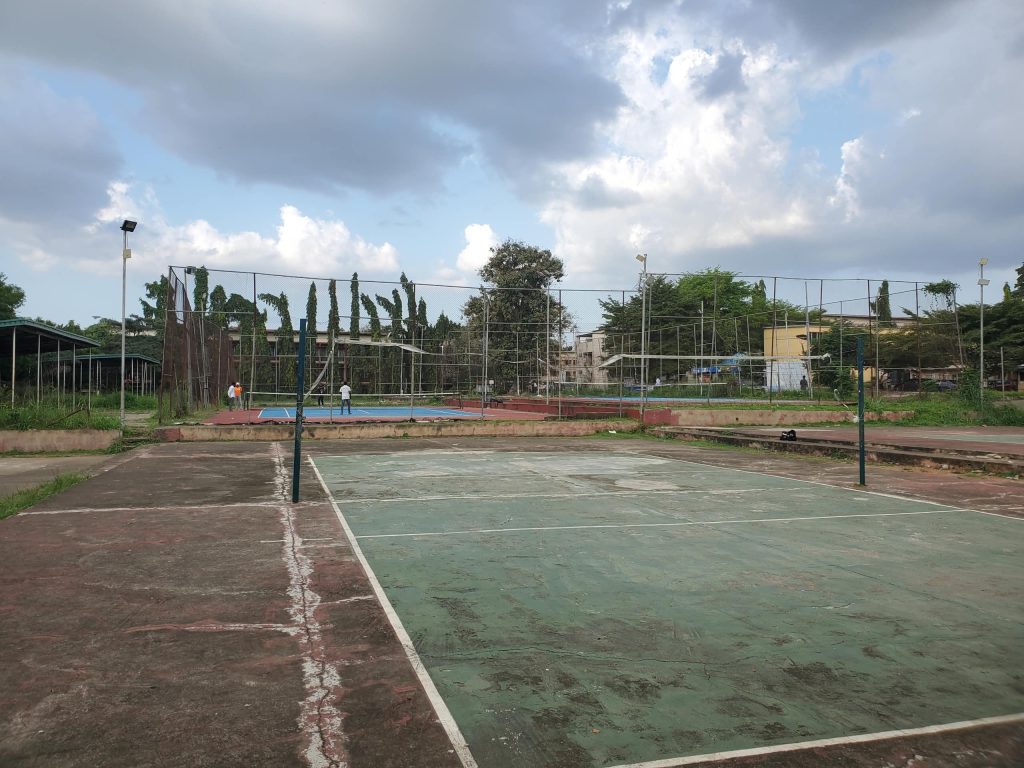
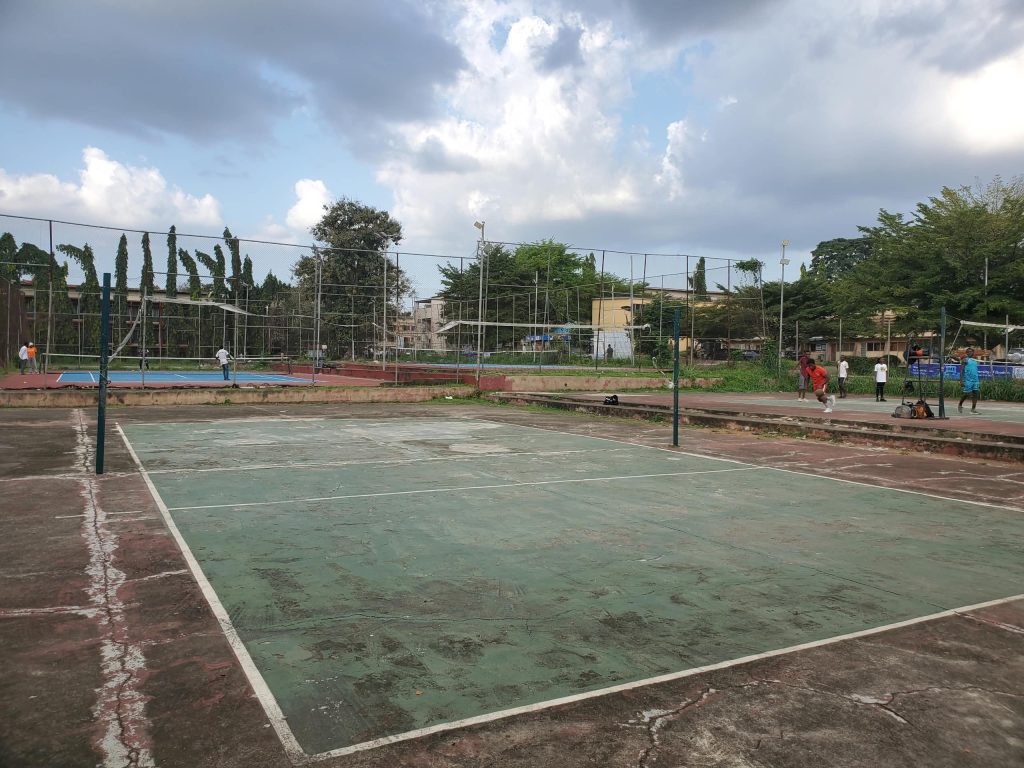
Esther Moye, who has been playing tennis at the university for about six months, said the facility has only two courts, making access difficult for players who want to train.
“The courts are not enough. Just two courts for playing. So if you want to play on the court, you have to come early enough to use it, or else, it’s occupied,” she said.
The shortage of courts is not the only limitation. Moye also pointed to the wall used by players to practise, saying that even this space is sometimes occupied by athletes from other sports.
“It’s the same for the wall. Except that sometimes, volleyball players use the wall as well, preventing me from being able to practise on the wall.”
Although Moye has not participated in a competition since she began playing, she said the limited facilities have already affected her training.
“I’ve not been to any competition yet, but this is how it has affected my training.”
Her experience adds another dimension to the broader problem facing sports at the university. For some athletes, the challenge is not necessarily that a facility is unusable, but that there simply is not enough of it to accommodate everyone who needs it.
State of Handball
The handball court, particularly, has its own problems. As at the time this article was written, bushes surrounded parts of the court, although a player who spoke on the condition of the facility said the court itself was “fairly okay”.
According to her, the lines on the floor remain intact, and the condition of the court has not affected preparations for competitions.
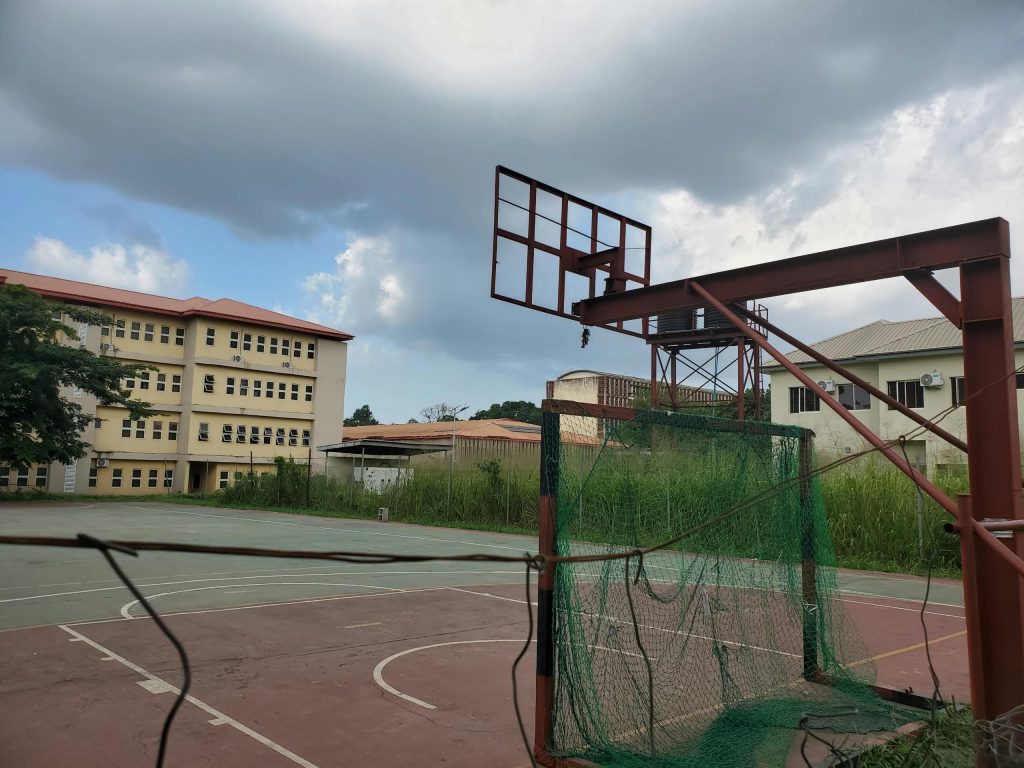
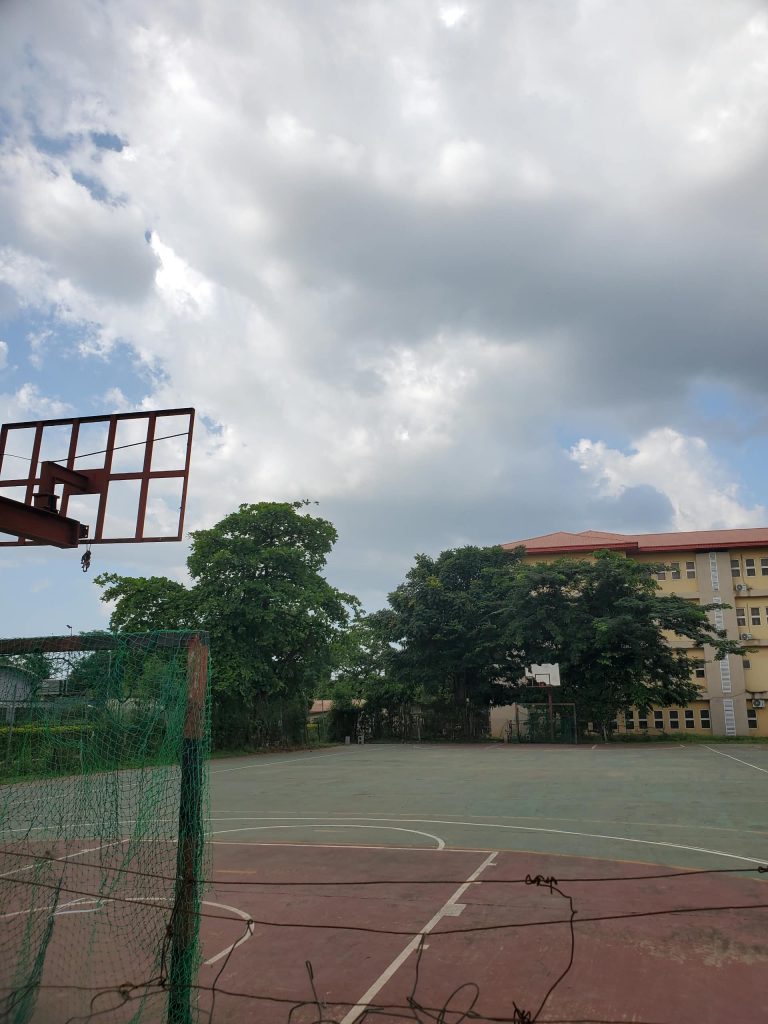
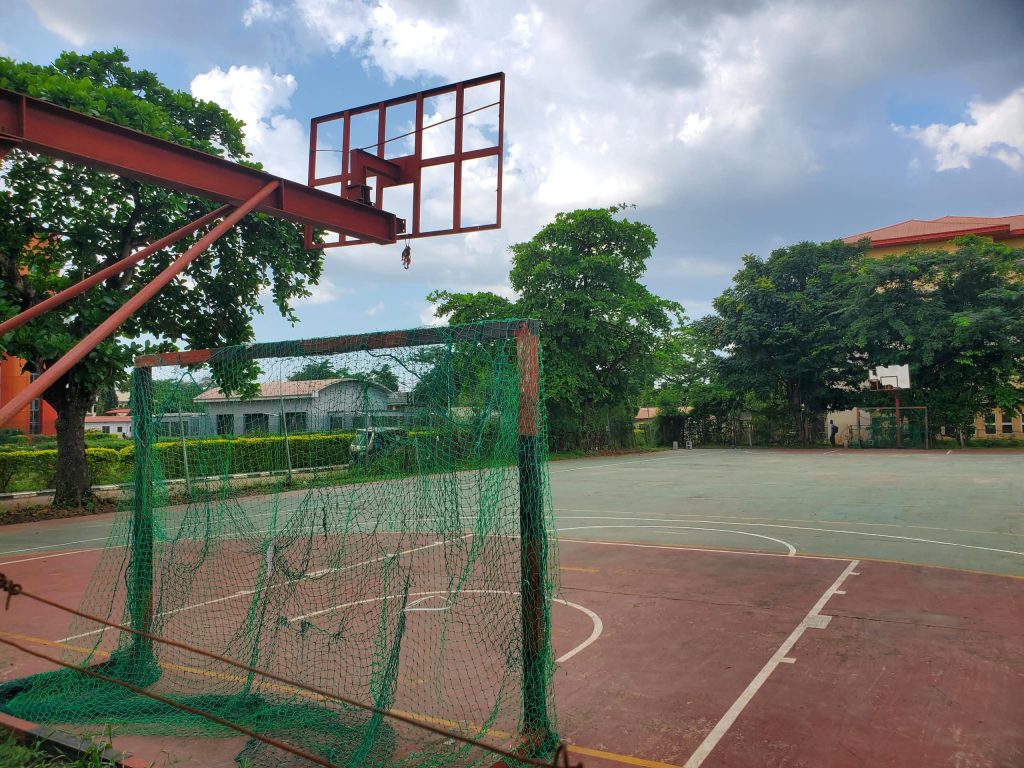
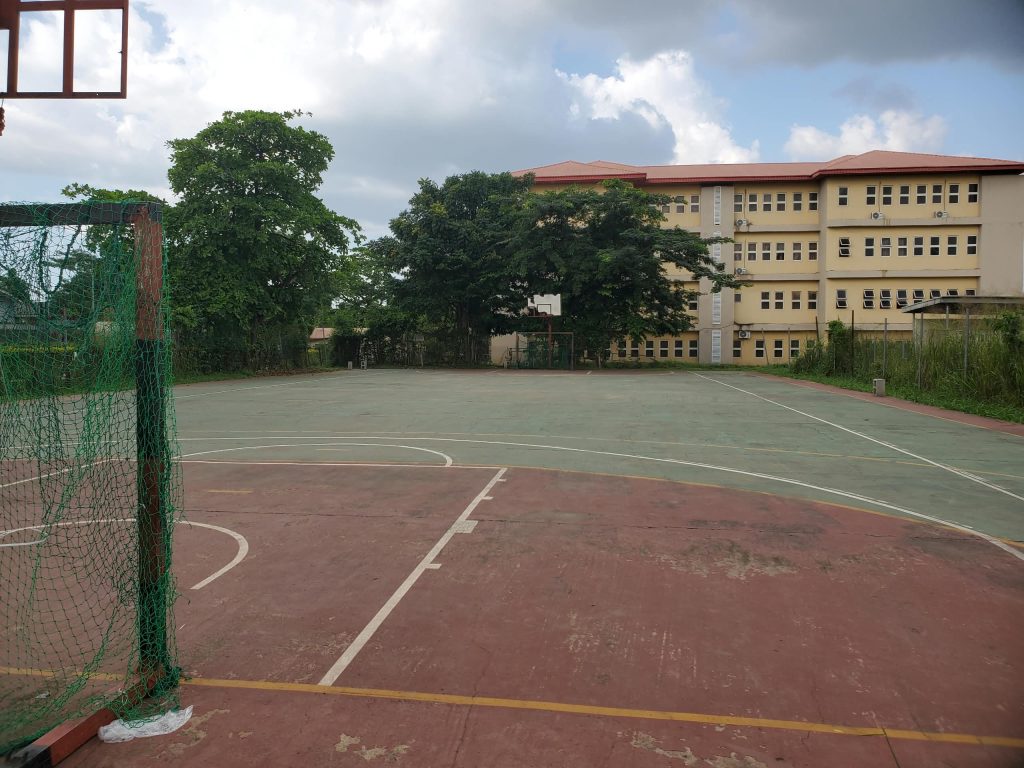
The bushes, however, remain a concern. She explained that they are cleared occasionally, perhaps once a year, but because they are outside the net cage, they do not usually interfere with play.
The problem becomes more noticeable when the ball goes over the cage, as only players wearing tracksuit trousers can go through the grass to retrieve it. The net cage itself had also previously been damaged and has recently been replaced.
While the account does not suggest that the court is unusable, it does raise questions about how regularly the surrounding areas of sporting facilities are maintained.
The player, who asked not to be identified, said the condition of the court has not affected their preparation for competitions.
Shrinking Space
There is also the matter of the sand placed on the field in 2024. What was a temporary measure connected to construction has remained part of the sporting landscape, affecting spaces that the athletes use.
Although recently, the sand has been reduced due to the ongoing construction of the Kenneth Dike Library, which will take the place of the cricket pitch, it was for a long time a problem for footballers. Many of whom had to go to Abadina as a result of the crowd occupying the little space left for training. The construction of the library on students’ land in itself is another hindrance to being a sports person in the university. As of the time of this article, the university has not released a memo to address the reasons for the conversion of the main training ground or cricket pitch to a library.
The ball is still out in the park
None of these things, on their own, necessarily proves that the University of Ibadan has abandoned sports.
That would be too easy a conclusion to make.
The more important question is whether the university is doing enough to maintain the sporting facilities it already has, and whether sports receive the same consideration when other developments are being planned around campus.
Because building a facility is not the end of the job. Someone has to maintain it, someone has to decide what happens when a court begins to deteriorate, someone has to ask whether construction materials should be occupying a sporting space and, if they must, where athletes are expected to go instead.
And, most importantly, someone has to listen to the students who use these facilities every day.
The students have not stopped playing because the facilities are imperfect. They have simply learnt to adjust to the imperfection, as difficult as it is.
They train where they can, they share spaces, they make do with what is available. And they continue to represent their halls, faculties, and the university in competitions.
The athletes have already shown that they are willing to put in the work. The least the university can do is make sure they have somewhere decent to do it.
Editor’s Note: This was an article which was commenced last session and some images were taken at the initial time of writing.