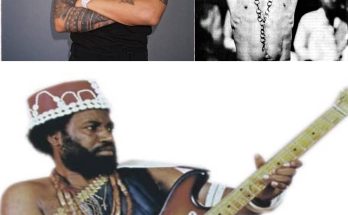
By Okeowo Hephzibah Ọpẹ́yẹmí
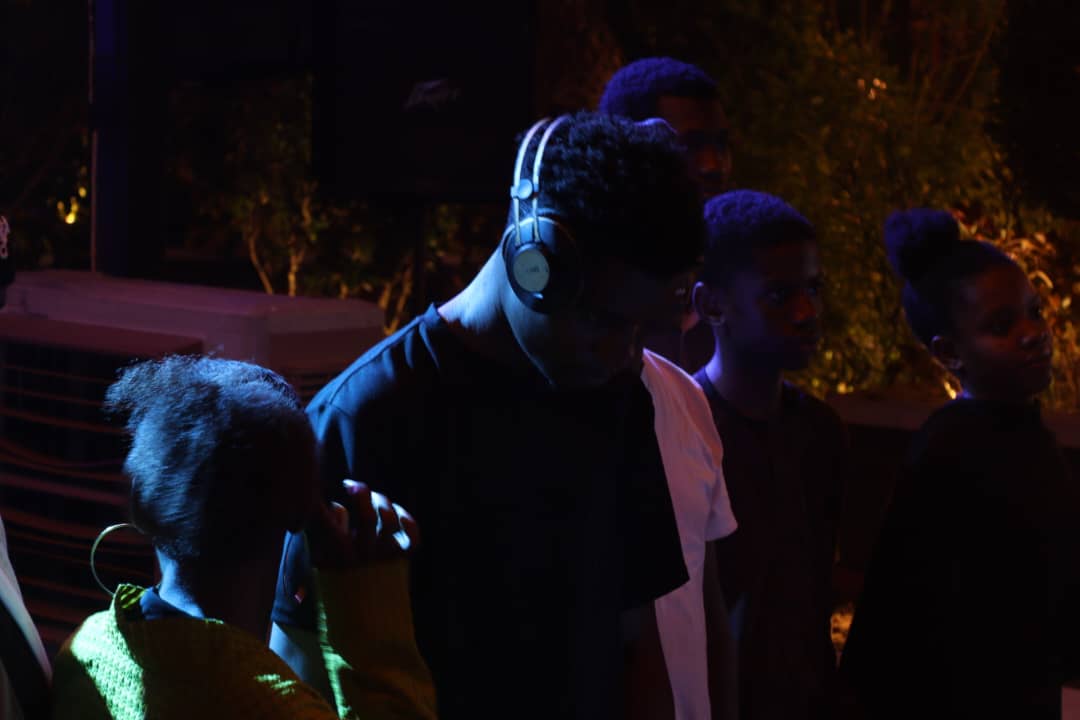
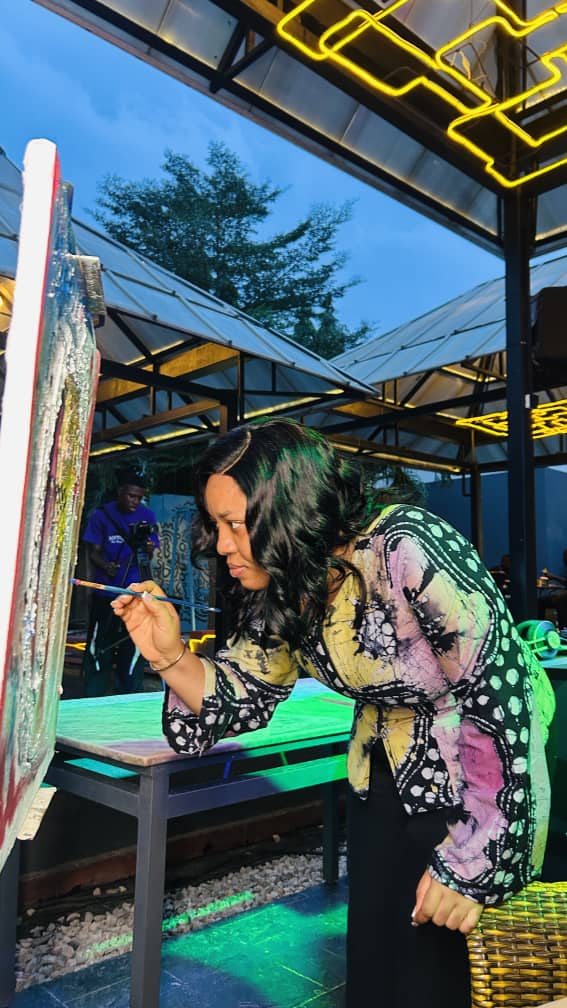
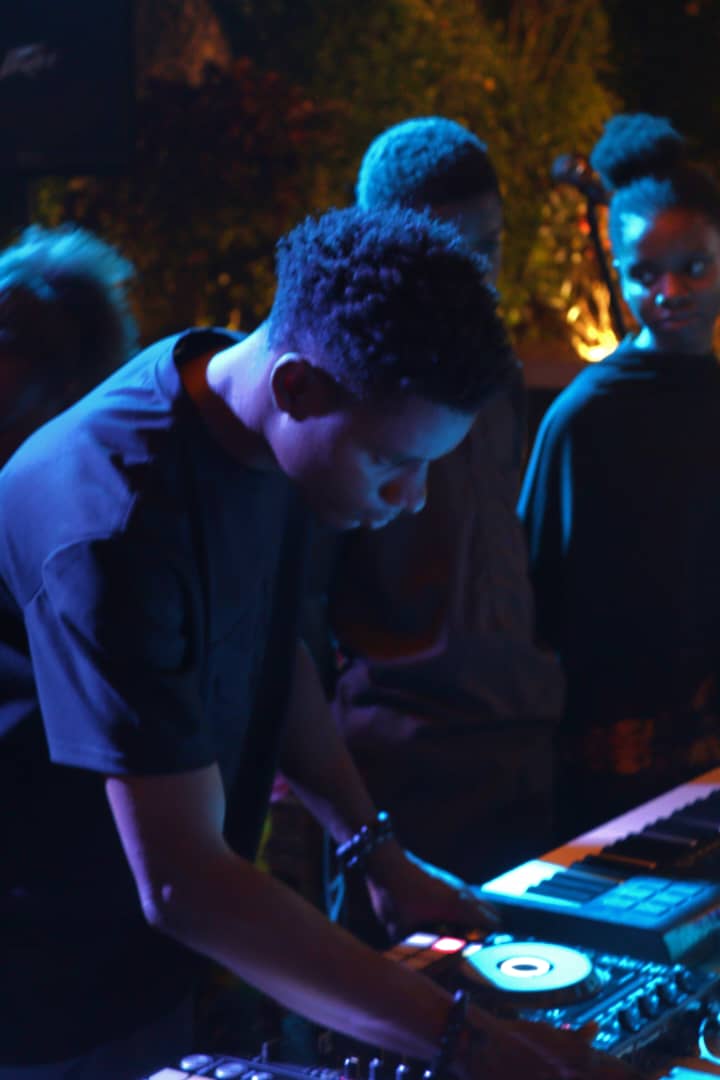
Imagine finding yourself in a place filled with the sound of nice Afro-house music, suddenly followed by live performances such as the beating of Yoruba drums like the dùndún, gángan, bàtá, omele bàtá, the shekere and agogo, alongside displays of cultural dance mixed with a bit of robotic dance, and live art.
It leaves you wondering exactly where you are. At first, you might think you have travelled back in time, but then the sound of house music reminds you that you have not. You are somewhere in between, not exactly in the past, but not entirely in the present either.
And then you begin to think about the conflict Gabriel Okara mentioned in Piano and Drums, where the traditional drums and the Western piano represent two different worlds pulling at the same person.
At Ayeye Àtijọ̀, however, the two seem to have found a way to exist together. The Afro-house music and live performances mix so well, with neither fighting for attention.
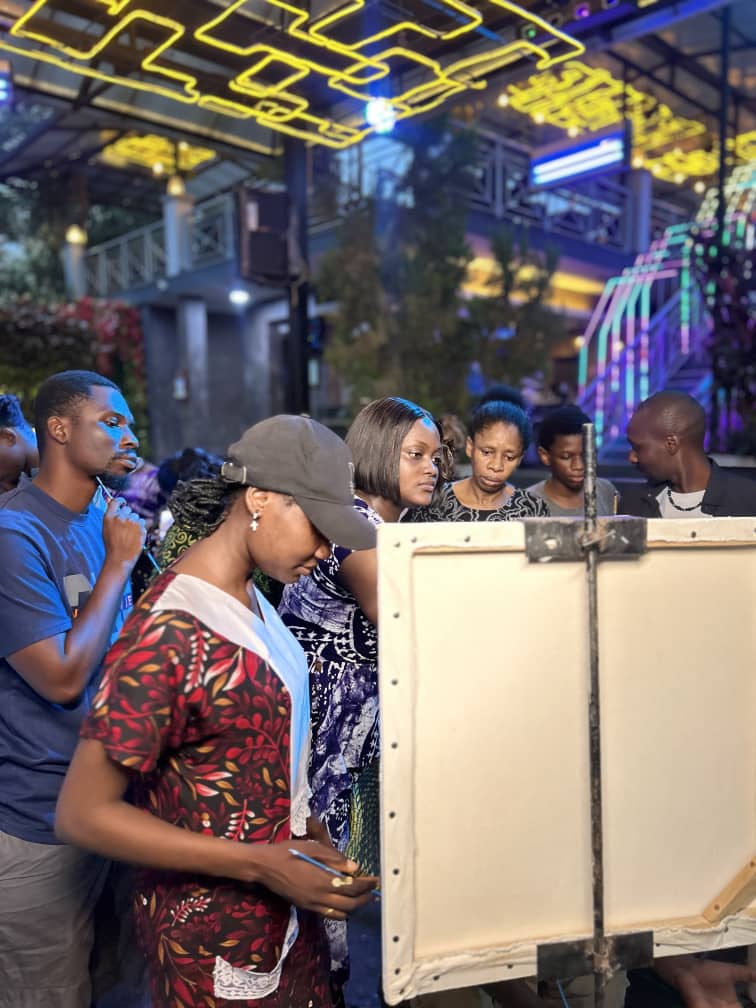
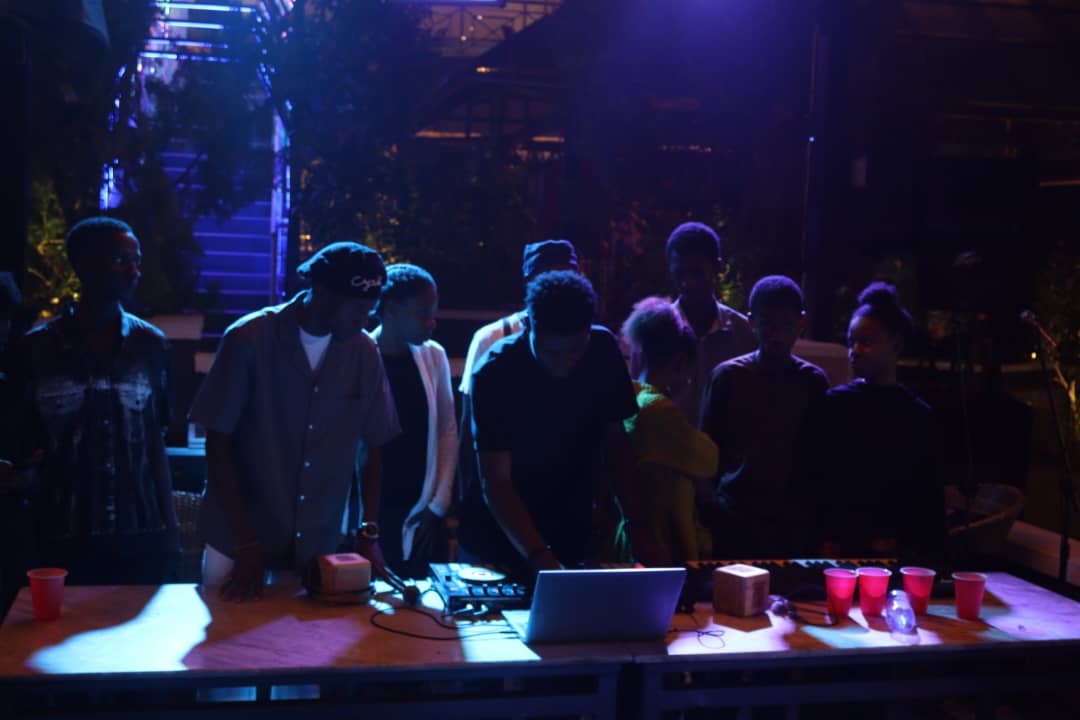
This is the feeling Ayeye Àtijọ̀ gives. It is a blend of modernity and tradition, bringing the two into a single space.
It is an Afro-house experience, but not just another house party or rave. The idea was to do something different.
What if Afro-house could have live performances mixed with it? What if DJs and contemporary music could share the same space with cultural performances, solo singers and African art?
“The main thing we are using to push and sell the whole concept is the cultural aspect. The African art, that’s what we are selling,” Christopher Ifeloluwa Pelumi, popularly known as King Hipex, explained.
History Behind Ayẹyẹ Àtijọ̀
But there is more to the name than what is happening at the party today.
Ayeye Àtijọ̀ has its roots in the Alajotas Dance and Music Troupe International, which started in 1998. The first edition of Ayeye Àtijọ̀ was held in 1999 at New Culture Studios.
The original Ayeye Àtijọ̀ was different from what audiences experience today. It was a full stage production built around traditional music, dance, costumes and theatre.

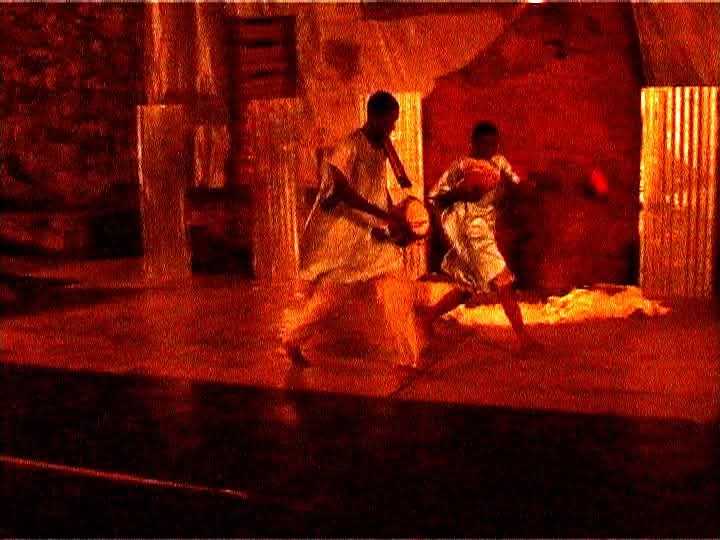

It was a night show where live performances and cultural elements took centre stage. It was curated and directed by Christopher Emmanuel
Years later, the name has returned, but with a different sound. For Hipex, there was no need to create an entirely new identity when there was already something with a history behind it.
“I don’t stress myself. I just take what is existing, and we build on it,” he said.
And that is what happened
Ayeye Àtijọ̀ became a new way of carrying an old idea forward. The contemporary experience is curated and directed by King Hipex and Assa The Pretty in conjunction with The Alajotas Dance and Music Troupe International.
It now brings Afro-house, DJs, solo singers and electronic music into a space that still holds on to the cultural foundation of the original Ayeye Àtijọ̀.
The experience is also part of the work of Hipex L’art, which operates across areas of the creative industry including record production, talent management and theatre, alongside music production, recording camps, costume designing and artwork.
This is the fourth edition of Ayeye Àtijọ̀, although it is the third edition being organised at present. It holds every last Friday of the month. And even with what audiences see now, there is still a much bigger picture.
The August edition witnessed the presence of Olufere, Kayliph and DJ Teeza. Who are also part of creative UI has produced, they also graduated from music department.
The Ayẹyẹ Àtijọ̀ they are building towards is not just about playing Afro-house in a space decorated with culture. The traditional side is expected to become much more prominent, bringing back more of the music, dance, costumes and stage performance that shaped the original
The Main Idea Behind Ayẹyẹ Àtijọ̀
For now, however, funding remains one of the major challenges.
The project has been largely self-sponsored by Hipex L’art while sponsorship and other forms of support are still being sought. Five Continents Golden Tulip is the venue host for the July and August editions, coming on board as part of the collaboration around the experience.
But the idea is not only about what happens on stage or what music is playing.
There are also the people.
Ayeye Àtijọ̀ is intended to be a space where people can come around, meet, network and simply have a good time.
The idea is to make it open to everybody, without allowing the usual divisions that exist in society to determine who gets to be part of the experience. And perhaps that openness also says something about the people creating it.

King Hipex himself is a graduate of the University of Ibadan’s Department of Music. But Music was not where his journey at UI began.
He gained admission in 2016 to study Physics before eventually crossing to the Department of Music, where he graduated in 2021.
The crossing from Physics to Music sounds like an unexpected turn, but music was already part of his life. He grew up around it, practised it and was already involved in it as a business.
Even while in school, music remained something he did beyond the lecture room. By the time he was approaching graduation, he already knew that arts management and the business side of the creative industry were areas he wanted to explore. Ayẹyẹ Àtijọ̀ is part of that journey.
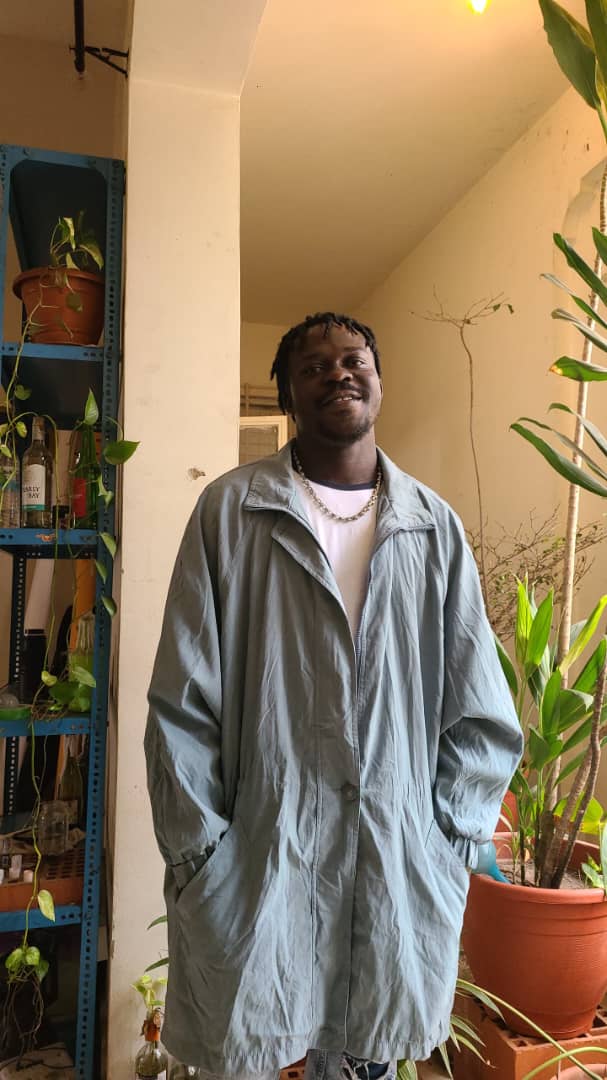
But Hipex is not the only UI graduate behind the creative work. Hipex L’art is run by Christopher Ifeloluwa Pelumi “King Hipex” and Aleke Okwuchukwu David “Assa The Pretty,” who is also a product of the University of Ibadan. Their work brings together their backgrounds in music and the wider creative industry, alongside a team of creatives from different disciplines.
In that sense, Ayeye Àtijọ̀ becomes more than just a music event. It is also another example of what creatives who passed through the University of Ibadan are doing with their training, interests and experiences after school.
For Hipex, however, fulfilment is not necessarily tied to how many people turn up.
“Rather, there is an audience or not, mine is, as long as we mark it and we do it, I’m fulfilled,” he said. And maybe that is the point.
Ayeye Àtijọ̀ is still growing into what its creators imagine it can be. What exists now is only a part of the bigger idea and a meeting point between what was and what is.
The drums do not have to disappear because the piano has arrived. Afropop can play alongside traditional music. Electronic sounds can exist in the same space as African art.
The conflict in Piano and Drums may have been about two worlds pulling in different directions.
Ayeye Àtijọ̀ seems to be asking a different question: what happens when the two worlds decide to play together?