By Faith Ajewole
At this juncture, the first thing to make evident is that environmental health within the University of Ibadan is a shared responsibility. Every member of the university community—students, staff, and management alike, is a stakeholder in ensuring a clean, safe, and healthy environment. It is therefore imperative that we begin to treat our drainage systems with the seriousness they deserve, because they truly matter.
In recent times, growing concerns have emerged regarding the state of drainage systems across several parts of the university, particularly within some halls of residence.
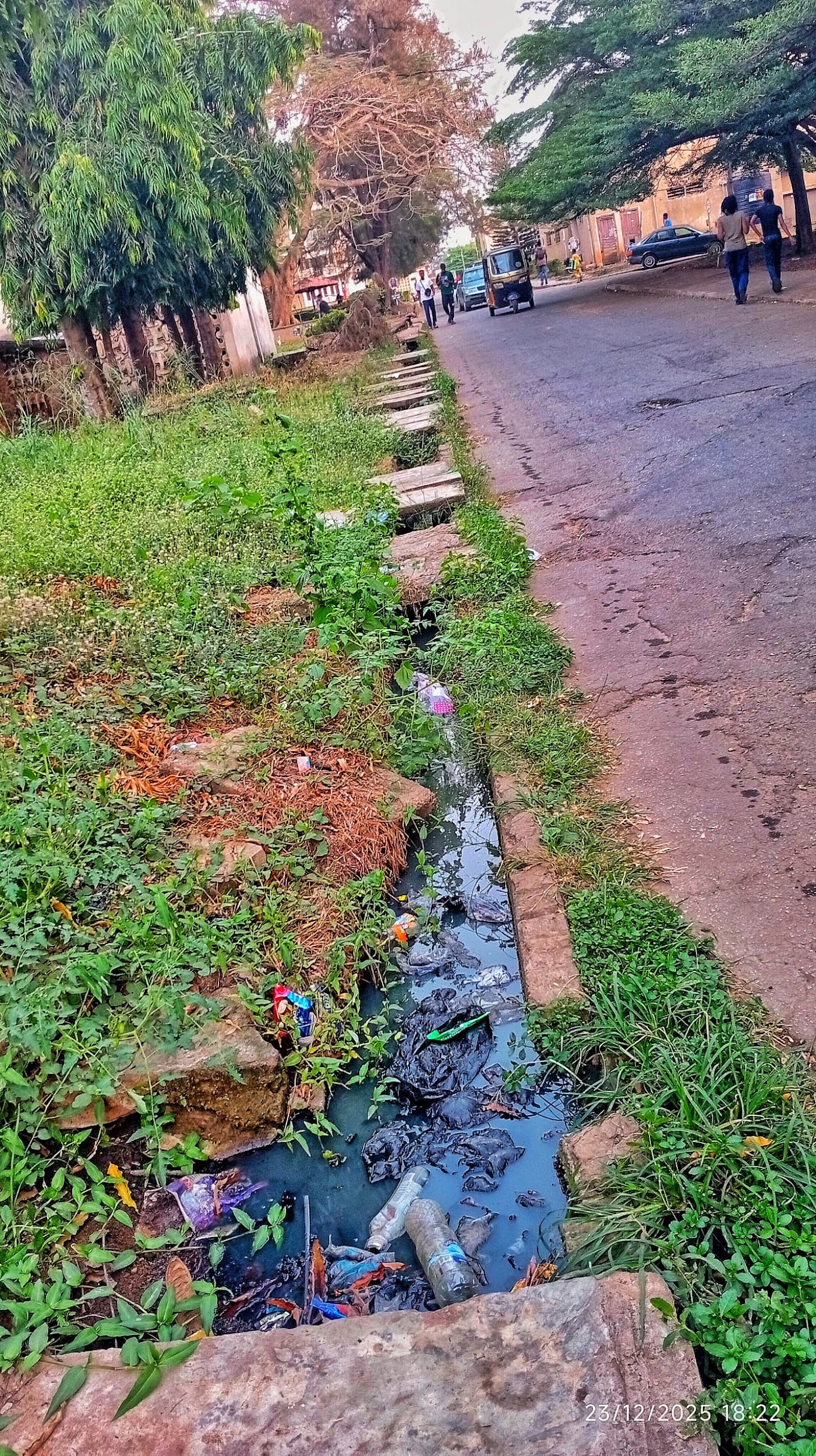
Observations reveal that some of these drainage channels are broken, clogged with refuse, filled with sand & dirt particles, or overtaken by plant growth. These conditions significantly impair their primary function, which is to allow the free flow of water.
The implications of such neglect are far-reaching. When drainage systems are blocked or damaged, water stagnates, creating an enabling environment for mosquitoes and other disease-causing organisms. This poses serious public health risks to residents of affected areas and undermines the overall sanitation standards of the University.
Notable examples include the drainage systems behind Lord Tedder Hall and Tafawa Balewa Hall, as well as clogged waterways in Queen Elizabeth II Hall, and even in some other areas that could not be reached. While the current dry season may have temporarily reduced visible water accumulation, this should not be mistaken for resolution. The underlying issues remain unresolved and are likely to worsen once the rainy season returns.
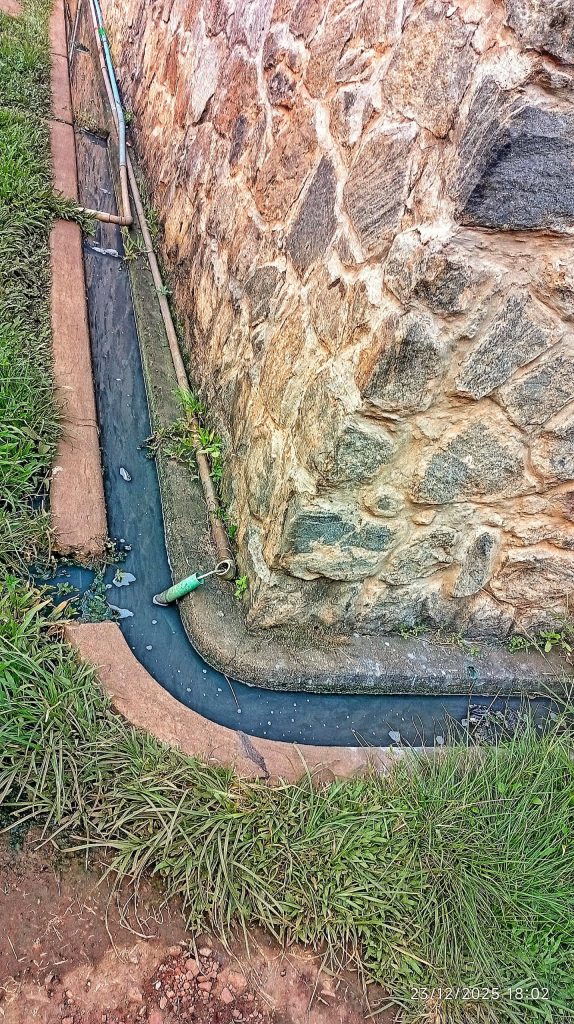
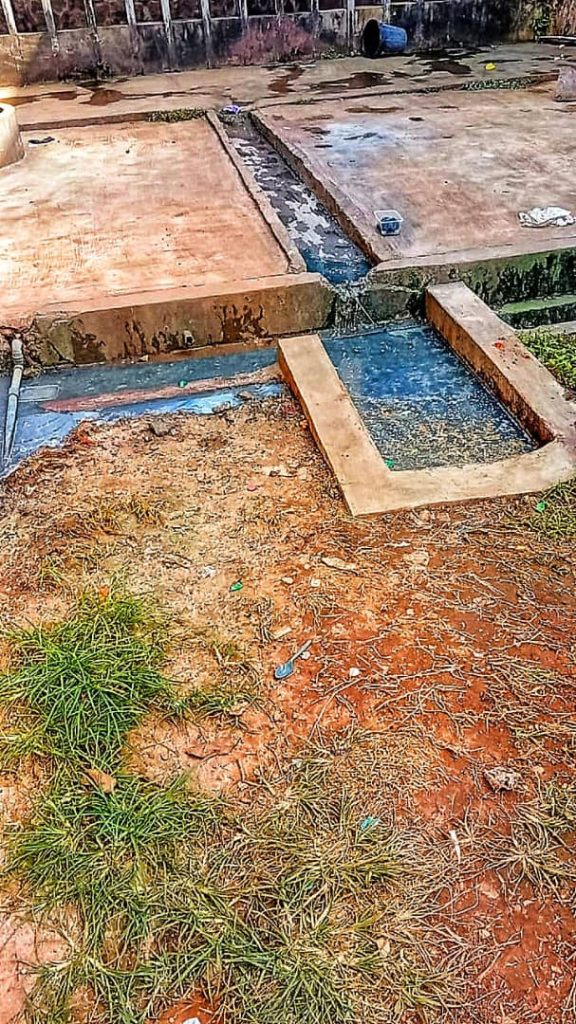
Beyond clogged drainage channels, there is also the problem of broken, poorly maintained, or filled soak-aways and gullies in halls of residence. These infrastructural failures further exacerbate pollution risks and environmental degradation within the campus.
If left unaddressed, these issues threaten not only the health and safety of students but also the tranquillity of the university’s pristine image.
The Way Forward
Addressing this growing environmental challenge requires deliberate action, collective responsibility, and sustained commitment from both university management and the student body.
- Responsible Student Practices: Students must also take ownership of their immediate environment. Proper refuse disposal, improved sanitation habits, and conscious efforts to prevent refuse from filling the gutters are essential. Residents of halls should actively abstain from practices that clog waterways and drainage outlets.
- Proactive Maintenance by University Management: The university authorities should prioritise routine inspection, desilting, and timely repair of drainage systems, soak-aways, and gullies across campus. Preventive maintenance is significantly more cost-effective than emergency interventions after complete infrastructural failure has occurred. With many students currently away for the holidays, this period presents an ideal opportunity for management to undertake comprehensive drainage maintenance. This is particularly given the commendable work the university management is already doing in that regard with the repair of several road networks and their associated drainages. And on this, it would be icing on the cake if additionally these other drainages see attention too this period.
- Improved Waste Management Systems: A major cause of drainage blockage is improper waste disposal. The provision of adequate and strategically located waste bins across campus is essential, as many students cite the absence of nearby bins as a reason for indiscriminate littering.
Whether refuse is dumped directly into gutters or not, improperly disposed waste is often blown by the wind or washed into drainage channels by rainfall, leading to severe clogging. Regular and routine evacuation of waste from gutters, especially in areas with recurring problems, will go a long way in reducing refuse-induced blockages, particularly during the dry season. - Collaboration with Student Bodies: Hall managements, Hall executives, Environmental Health committees, and the Student Union should work hand-in-hand with university management. Periodic environmental sanitation exercises, awareness campaigns, and prompt reporting of infrastructural defects can significantly improve response time and accountability.
- Long-Term and Sustainable Solutions: In the long run, the university should consider redesigning outdated drainage systems, expanding soak-away capacity, and integrating environmentally sustainable infrastructure into campus development plans. Such forward-thinking measures will help mitigate future flooding risks and promote long-term environmental resilience.
Conclusion
In closing, the state of drainage systems within the University of Ibadan is a pressing issue that demands urgent and collective attention. While university management bears the responsibility of providing and maintaining infrastructure, students equally share the duty of preserving and protecting it.
Only through this shared accountability, conscious behavioural change, and deliberate institutional action can we safeguard our campus from preventable health hazards and infrastructural decay. The question before us is no longer whether something should be done, but how quickly and how effectively we are willing to act.