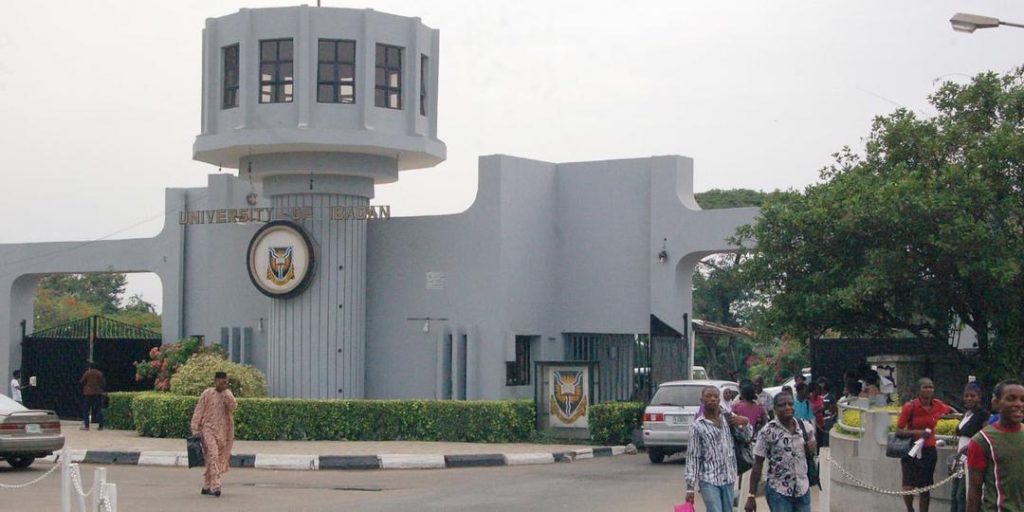
In 2023, several federal universities raised their fees by over 100 percent, citing this increment as a result of the rising cost of living that has impacted operational expenditure. The University of Ibadan initially followed in these steps but following the federal government’s debunk of tuition fee increment notions, the University was unable to implement the increment. Nonetheless, the management augmented the Technology fee for fresh students from N10,000 to N20,000, introduced studio levy (10,000), laboratory fee (20,000) and utility fee of N20,000 across all levels.
What is important to note, however, is that despite this partial increment, many students of the University had difficulties meeting the initial deadline for payment and several other deadlines, entering into the Second Semester of the just concluded session were fixed, in a bid to still allow these students to make up with payment. It was very clear that the financial constraints were a very serious one and what this increment has done is to compound the economic woes of parents and guardians. To help indigent students, the Host-led Students’ Union at the time awarded 71 students with an N1.5m bursary and this was also followed by a call for donations from faculties and halls of residence to support students in furtherance of their academic pursuit.
This trajectory, clearly points to the fact that there is a big problem of affordability among students of the University of Ibadan and one primary concern arising from the increment is its potential impacts on pursuing higher education. As tuition becomes less affordable, this would inevitably perpetuate a cycle of limited opportunities and socio-disparities as well as a decline in academic opportunities. Meanwhile, while students were still grappling with the effect of the last session’s augmented increment, the management announced again in April a substantial increase of school fees for the 2023/2024 session by over 100% rate.
Concerns Regarding UI’s New Fees
The fee increment news has again stirred discussions and sparked debates across social media from students, parents, faculty members and even the general public. The argument is that demanding more from students when the problem at hand is the case of the government defaulting in its primary responsibility of adequately funding tertiary education lacks moral credibility. For one, this is not the first time that an increment of such would be introduced in the University of Ibadan, but from history, none of the previous hikes has translated into a significant improvement in both the learning and living conditions of students.
About four sessions ago, the accommodation fee of students was reviewed and adjusted from N14,000 to N30,000. The argument of the management then was that the fee review was to improve the living conditions of students in hostels and despite the outcry from students, the then Vice-Chancellor, Prof Idowu Olayinka was quoted to have said that living in halls of residence was optional, which in his opinion does not make students reactions entirely valid. Now, there is a looming increment in accommodation fee again by the present management and students are asking: where is the result of the previous increment? Across all halls of residence, there are a plethora of problems that students face such as the condition of infrastructure, state of bedbugs and there is no way another increment is justified.
Another concern that has been at the forefront of this fee hike issue is that the management of the university has acknowledged the underfunding of education by the government and the multifaceted economic challenges that face the country presently in previous meetings with the SU stakeholders, so, how is the responsibility of improving our learning condition, in the light of all these the burden of students to bear? If anything, they are closer to the government, and while students continue to show displeasure at the current funding gap in education, the management is in a better position to amplify students’ voices with the government but if they fail to, many students fear this would set a bad precedent and the consequences, generations to come would also suffer.
Of The Students Union, Students Reactions and a Perception of Suppression of Students Voices
Against the backdrop of the increment, the immediate-past Students Union leadership called for a congress. In this congress, the student populace decried the over 100% increment proposition of the management for the new session. However, there seems to be a loss of faith in the SU leadership especially because the executive council were unable to reverse the augmented increment in the just-concluded session.
To some students, this raises a question of competency in agitating for the interest of students with the management. To some others, it also raises the question of how the leadership of the Students Union negotiates with the University authority. At the end of the aforementioned congress, three resolutions were reached: First, SU should go on a media tour to discuss the fee hikes. Second, the students’ union should make a campaign on social media, especially on X(formerly Twitter). Third, the students should make a peaceful demonstration. To achieve the last, a four-man Action Committee was constituted by congressmen and Aduwo Ayodele was chosen by the majority of votes cast to spearhead the protest.
However, while the first two resolutions were somewhat implemented, the Action Committee resigned days after their ratification by the Congress and in a release sent out, cited a breach of the resolution of the Congress by the then leadership of the SU as their reason for resignation. In the absence of an Action committee to sensitize and mobilize students for mass actions and the failure of the meeting of the Stakeholders with the management to produce positive outcomes, there were more questions on the lips of students.
Three students of the institution, Aduwo Ayodele, Nice Linus, Mide Gbadegesin, including a non-uite, Femi Adeyeye staged a protest against fee hikes during the inauguration of the newly elected SU executives last Monday and how they were handled and eventually whisked away by the security unit raises more concerns about students’ voices in issues like this. Protest, as a democratic concept, is a fundamental right recognized by the Nigerian constitution and as long as it’s a peaceful one, they should be allowed to continue with their demonstration. These students were only demanding that fees must fall and their presence in that hall was a form of sensitization and also a way to get the attention of the management on the fee increment.
Again, they were only showing their displeasure at the proposition of the management on fee reviews and a peaceful demonstration like that is necessary to further drive home the point. There is a reason why students come to the University of Ibadan, and an increment like this disproportionately defeats this purpose and, by extension, undermines the institution’s long-standing goal of providing affordable education.
When this happens, both intending and current students who have always found it difficult to pay the school fees might be forced to abandon their dreams of attending the University of Ibadan further raising the question of equal access to opportunities and the role of universities in society.
The Struggles Continues
Now that the Students’ Union has a new leadership, it would be very dangerous for this executive council to pay lip service to this cause. Like is the case in the game of chess, the University of Ibadan students are the pawns here. Students are at the loose end of the lack of funding of education from the government and an extra financial burden would not only be outrageous but also be termed as an inconsideration of the plight of students in this already bad situation.
The attention gradually has also been shifting to the Students loan bill that was signed into law last month but one of the problems with the loan scheme is that it has failed to take into consideration the living conditions of Nigerian students and only very few would meet the obnoxious requirements and access the loan. Fundamentally, this scheme has also contributed to the hike in fees across the country and it is only a matter of time before it also contributes to the number of out-of-school students.
This is the time for the new Union leadership to repurpose unionism on campus and this can only happen when they also adopt this struggle religiously. It’s obvious that the current method of negotiating with the management needs adjustment, this and many others are fundamental issues that need to be addressed by the Olóyé-led Students Union.