
By Tunde Henry
“Eating is natural, gaining weight is your choice”- Jeffrey Eugenides
“I didn’t really plan to add weight, it just happened” as many of us most often say. Gaining excess weight while staying at home and waiting out the ASUU strike could be frustrating. During this time, it’s easy to fall into a habit of increased feeding, snacking and overeating due to more leisure time, stress and boredom which is linked to emotional eating. It’s important to try and keep a consistent schedule to help avoid mindless eating. A lot of students are struggling with their eating right now and seeking out pleasure via food.
The energy your body gets from the nutrients in the food you eat is measured as calories. As a rule of thumb, the more calories you eat, the more active you have to be to maintain your weight. Likewise, the reverse is also true—the more active you are, the more calories you need. Energy balance is important for maintaining a healthy weight. The amount of calories you get from food and drinks is balanced with the energy your body uses for physical activities.
“I have gained an extra 8kg while staying at home. I weighed 76kg before coming home, now I weigh 86kg. I find myself eating more than usual, like four to five times in a day,” a female Uite said. Another Uite who was weighing 51kg before the ASUU strike now weighs 61kg. Some students have also been reported to have gained much more weight.
Related to this, it’s important to know your triggers; understand what is driving your craving for that chocolate or pizza. There are many reasons why you may be compelled to overeat, including being stressed out or bored. If you find yourself eating too frequently or eating too much in one sitting, take a minute and check in with yourself. It’s important to determine whether you’re eating because you’re hungry and need nourishment, or whether you just feel like eating. Also, having tempting foods within eyesight can lead to frequent snacking and overeating, even when you’re not hungry—hence need to remove all temptations.
Furthermore, sticking to your normal eating schedule can also help. If you’re used to having three meals a day, try to continue that schedule while you’re at home. Maintaining proper hydration too is important for overall health and may help you prevent overeating as water can fill up the stomach and makes you feel less hungry. Limit your soft drinks and other high energy-giving drinks and focus more on water intake.
Although, many things can also affect your weight, including genetics, age, gender, lifestyle, family habits and culture, sleep, and even where you live. Some of these factors can make it hard to lose weight or keep weight off but don’t give up just yet! Being active and choosing healthy foods with lots of fruits and vegetables has health benefits for everyone—no matter your age or weight. Increase your physical activities if you’re always home, this is to burn as equal number of calories as the one you take in. You should aim for at least 150 minutes of moderate-intensity aerobic activity each week. Anything that gets your heart beating faster and makes you sweat is cool enough.
Why Is a Healthy Weight Important?
Maintaining a healthy weight is very important for overall health and can help you prevent and control many diseases and conditions. If you are overweight or obese, you are at higher risk of developing serious health problems (including heart disease, high blood pressure, diabetes, breathing problems) which could as well be later in life. Hence, maintaining a healthy weight cannot be overemphasized; it helps you lower your risk for developing these problems.
You can do a quick assessment of yourself.
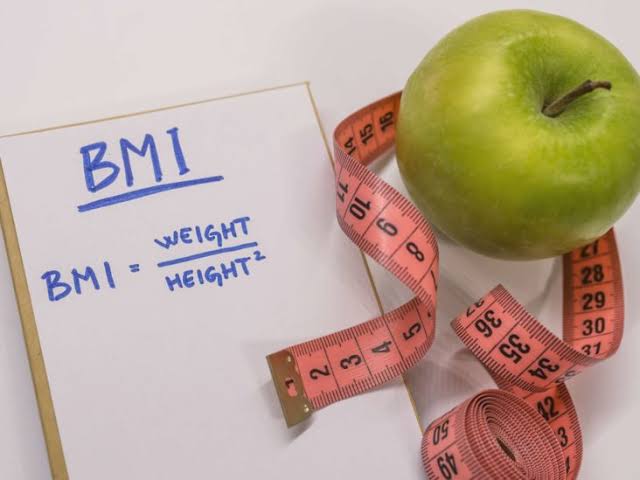
Calculate your Body Mass Index (BMI) which is a measure of your body fat based on your height and weight.
BMI is your weight in kilograms divided by the square of your height in meters. For adults, if you get;
Below 18.5, you are underweight
18.5 – 24.9, you have normal or healthy weight
25.0 – 29.9, you are overweight
30.0 and above, you are obese.


