
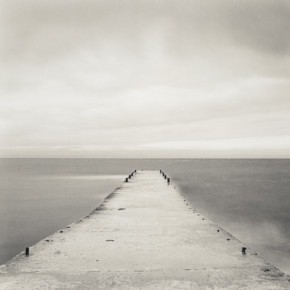
-BY: Faith Adedolapo Olayiwola
Would this last?
Is it just vague?
Of course, I do not know
For sure, I do not know
Just like a dream
It fades and re-appears…
Draws me in
But us apart
The notes are pealing
But sometimes with a crescendo
Other times, a diminuendo
The rhythm is not steady
The sound not sonorous
I cannot learn the pace
I cannot sing the song
B’cos I don’t hear anything
Maybe; I hear what does not stay…
Poetry is defines as the spontaneous overflow of emotions and feelings. An act or process of describing thoughts, images and feeling.
Emmanuel’s At The Bridge is an expression of chaotic thoughts and aggrieved feeling. The poem explores the above saying and reveals an overdue desire for the unknown.
It starts with an apostrophe: would it last? shows that the poet is in a state of dilemma and confusion; one that confuses human before the confusion itself. The poet persona is not doubtful of the issue but whether it would last or not.
It proceeds to: Is it just vague? Understanding this sentence is one of the solid ways towards understanding this poem. The poem persona says: ‘Is it just vague?’ and not ‘is it vague?’ This expression deduces that the poem persona’s want is not just ephemeral but obscure and hazy; indefinable. Also, it is not just obscure but includes other circumstances which he cannot identify but he’s fully aware of and feels its impact. This is further revealed in the succeeding lines Of course, I do not know/For sure, I do not know which shows that the poet persona is not sure of both the existence of his want as well as its feasibility.
In the second stanza, the poet persona likens his want to a dream: Just like a dream/It fades and re-appears… to reveal the unpredictable nature of his want. The last two lines in the second stanza: Draws me in/But us apart tells of the complex which shows the complex nature of the want.
The poet persona reiterates and reveals the unpredictable and complex nature of the want in the next two stanzas. In the third stanza, he likens the want to that of a music which is sometimes played gradually and softly and sometimes it increases in intensity: the rhythm is not steady.
Also, the fourth stanza shows the difficult and complex nature of the want making it impossible for the poet persona to comprehend the nature of the want. I cannot learn the pace/I cannot sing the song/B’cos I don’t hear anything/Maybe; I hear what does not stay…
The last stanza shows the inability and impossibility of the poet persona to get his want: Can I ask why?/No! we’ve gone ov’r that bridge. The persona tells that he is no longer hanging on the fence nor unable to decide on what exactly he want and how he is going to achieve it. He has moved on leaving the want and desire to its unpredictable and complex self. He is ready to let go of the past for something else; vivid, predictable, simple and feasible.
The poet, Emmanuel, is one of a family of 5 and a good scholar. He has a silent life.; loved writing but lost the passion. He sees life indifferently. The emptiness he felt inspired him to write the poem: AT THE BRIDGE.
The poem, At The Bridge is a very simple and straightforward poem. It is rich in diction and solid in words. Some figures of speech which can be found in the poem are:
Rhetorical questions:
Would this last?
Is it just vague?
Simile:
Just like a dream
Litotes:
I cannot learn the pace
I cannot sing the song
Apostrophe:
No! we’ve gone ov’r that bridge.
Enjambment:
Draws me in
But us apart
The first four stanzas are written in form of quintet while the last stanza is a couplet. The theme of the poem includes: obscurity, emptiness, confusion, indecision, the unpredictable and complex nature of wants and desire. The tone of the poem is indecisive while the mood is sorrowful.
Can I ask why?/No! we’ve gone ov’r that bridge (Emmanuel) shows that sometimes one get stuck in certain situations we are unable to decipher and it most times affects one both physically and emotionally. At some point, one has to get go of the past and move ahead or one would forever remain at that same point saying…..The notes are pealing/But sometimes with a crescendo/Other times, a diminuendo/The rhythm is not steady/The sound not sonorous. So go over the bridge and let go of the past.