By Olawuwo Mariam
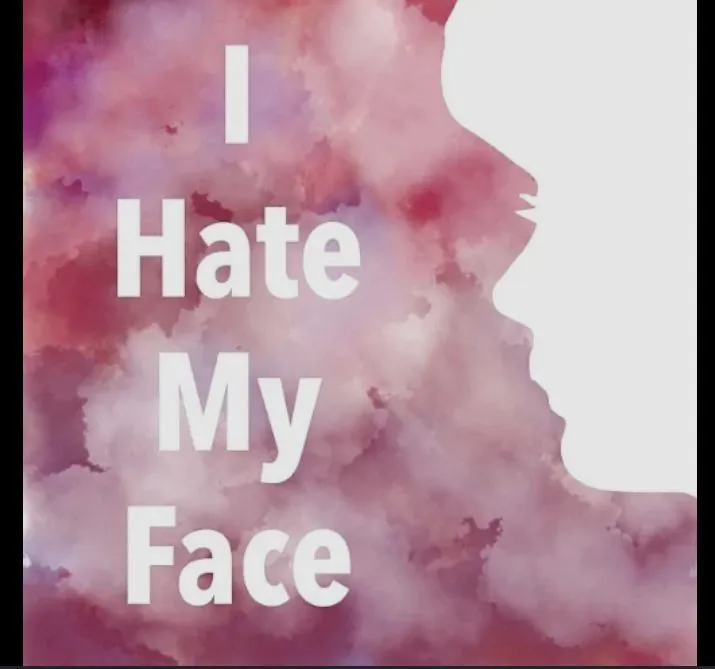
He hated his face. He hated the bridge of his nose, the architecture of his jaw, the deep mahogany of his skin, and the coiled texture of his hair. In his mind, he was a collection of flaws waiting for a correction.
But this hate was never an action; it was a response. It was the slow, steady drip of a world that portrayed whiteness as the only valid canvas of perfection. Every billboard and screen whispered the same lie: that to be black was to be a shadow, and to be broad-nosed was to be unfinished. He remembered his old face vividly; it had beautiful eyes and a nose built for the deep, rhythmic breathing of his ancestors, but to him, they were never enough. Every reflection screamed that he was a draft, not the final product.
The transformation began in small, desperate increments.
First, he replaced the deep brown of his eyes with contacts the colour of a cold winter sky. Then came the surgery. He traded the regal strength of his nose for a pinched, narrow slope that felt fragile against the wind. Finally, he turned the chemicals against his skin, bleaching away the history of the sun until his complexion was a translucent, ghostly ash.
He had followed the blueprint to the letter. He expected that once he reached the “standard,” the world would finally open its arms.
Instead, the silence grew louder.
When he finally walked among those he had spent years mimicking, he found no kinship. In the upscale galleries and crowded cafes, people didn’t see a peer; they saw a curiosity. He had the features of the “standard,” but they sat on his soul like a borrowed costume. He had become a translation of someone else’s beauty, and the meaning had been lost in the process. He was no longer “ugly” by the world’s definition, but he was no longer human by his own.
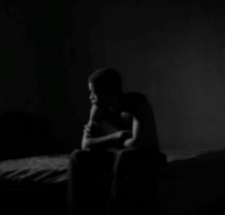
One evening, he sat alone and pulled a crumpled photograph from his wallet. It was his former self—the boy with the radiant skin and the nose that matched his mother’s. In that photo, his face told a story of lineage, strength, and a sense of belonging.
A sudden, violent wave of regret washed over him. He rushed to the mirror and began to rub at his face, his fingers searching for the warmth of the pigment, the strength of the old bone structure. He wanted to feel the broadness of his breath again. He wanted the face that connected him to his father and the men who came before him.
But the skin remained pale and papery. The nose remained stiff and artificial.
The tragedy wasn’t that he had failed to become “perfect.” The tragedy was that he had succeeded, only to realise he had surgically removed the only person who could ever truly love him. He was a masterpiece of erasure, standing in a world that still didn’t have a place for him, mourning a boy who was gone forever.
Originally Published Under NSPO.