By: Ogungbile Emmanuel Oludotun
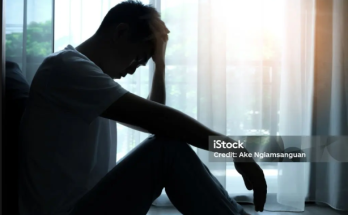
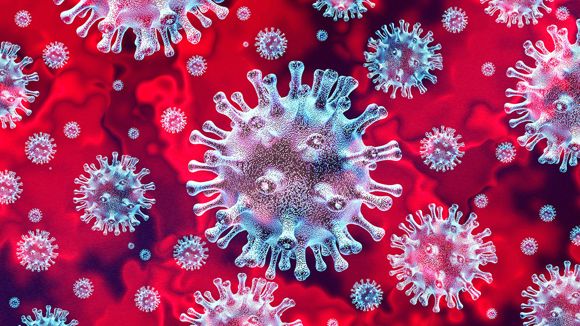
Just few days after he had tested negative again to the novel Covid-19, things weren’t the same for him anymore. He’s either half-sentient to reality or half-doused with a squawking anger. Half burnt from inside out, he could barely find consolation in moping anymore, stuck in between loneliness and fury. His body unfolds in a knock off, colic crying almost everyday and waking up to the life that he had to endure because he just recovered from the dangerous Corona virus.
Most times he’s either ranting about how the community had discriminated him from relationship with others. Uncle was indeed tired of trying to bear it all as though he was strong. There I realised he’s also human with emotions suffering from the relics of people sequestering him from the community. So I watched his helplessness, as he regularly burn in this intense deep-seated anger. Maybe one day he will get provoked and give in to this personal pestilence.
Apparently, my uncle forms part of the many secluded people that suffer in the hands of this stigmatization, especially the people suffering or who just recovered from no-yet-know-cure diseases like Covid-19, HIV, Smallpox and all. It’s such rue that the society largely acts hypocritical and in some sense bars these range of people through its impolite relations. Hence, some slowly sink into depression or possibly commit suicide, which is the end of it. There is a need for one to be infuriated by this act of stigmatization, as the populace needs to be orientated, cautioned, and perhaps reminded of the negative effects this will cause to the affected members of the society.
Stigmatization and discrimination have negative effects on people who are suffering from a particular disease or probably had recovered from a disease. Stigmatization is a set of negative and often unfair belief that the society or a group of people have about something. It’s when you see someone in an unsympathetic way because of a particular characteristics, or attributes. Stigmatization bears the fruits of racism, apartheid and segregation.
It’s also when you engage someone in an inimical manner, most especially people battling with diseases. It becomes a puzzle-thinking that the society is ignorant of the fact that people with various health related issues, their social stigma and the discrimination they experience can make their problems more appalling, making it difficult to recover. It may cause them to avoid getting the help they need because of the fear of being stigmatized.
Consequently, the society should be aware of the fact that stigmatization has it detrimental effects on these vulnerable victims, which may include having the feelings of disgrace, ignominy, bearishness and withdrawal. Discrimination tends to tamper with their self-esteem and make them think their situation is irredeemable. Also, the stigmatized people are liable to be ‘close-mouthed’, as they will be hesitance to ask for help when the need arises.
Different studies by psychologists showed that stigmatized people encounter some stigma-related stress which also exists in everyday forms of discrimination. These include receiving poor services in restaurants or stores, threatened, or being assumed to be unworthy. Albeit forms of everyday discrimination may be of smaller magnitude than stigma-related life events, their chronicity produces a cumulative stress effect that can potentially be equally distressing.
People who are stigmatized may refuse into social interactions with expectations that they will be rejected by others because of their stigma. This expectation of rejection, regardless of whether or not rejection actually occurs, produces a cognitive burden that constitutes stigma-related stress.
A report from San Francisco State University) London showed that people with stigmas are constantly faced with the decision to conceal or make visible their stigmata. Although concealing one’s stigma from others can be protective, in that it may allow one to avoid discrimination, stigma concealment is stressful because produces cognitive burden resulting from fear of discovery. People with stigma, most especially are the ones who had just recovered from an illness or still recovering do not have an option to conceal their stigmatized social status.
Wherefore, everyone has a role to play in creating a mentally and psychologically healthy community. One that is embracive, condemns discrimination and supports recovery. We should then take it as an underlying role getting to know people with personal experiences of these illness, so we can learn to see them for the person they are rather than the illness they battle. The community should not weigh, label or discriminate when they meet people with who are just in the process of recovery. People should be treated with respect and love. Government and Media should also try to protect the rights of the people that are regularly stigmatized such as the victims of HIV, Small pox and most especially the ones who are just recovering from this pandemic Covid-19, thus ensuring a better and equal society.